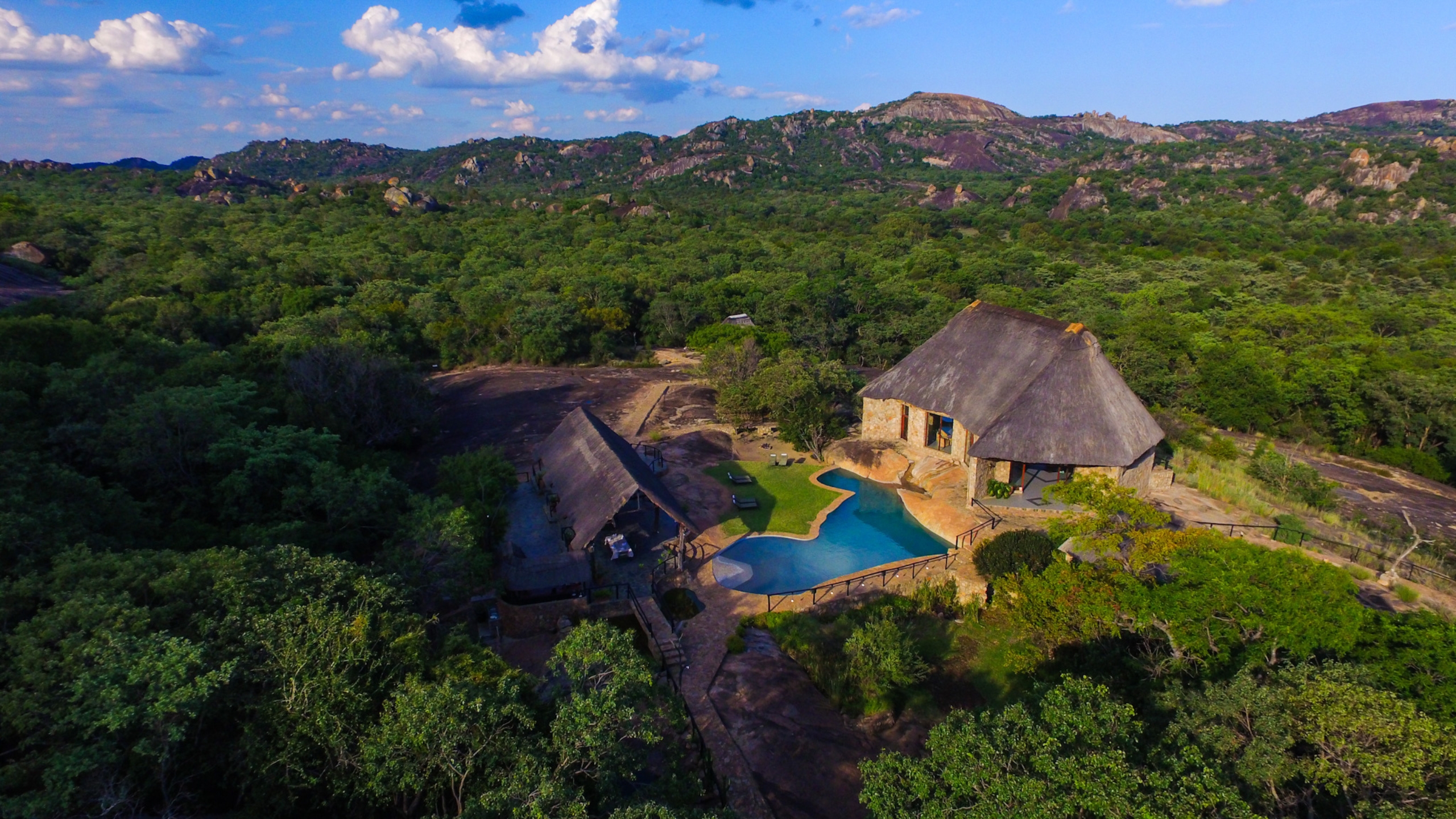
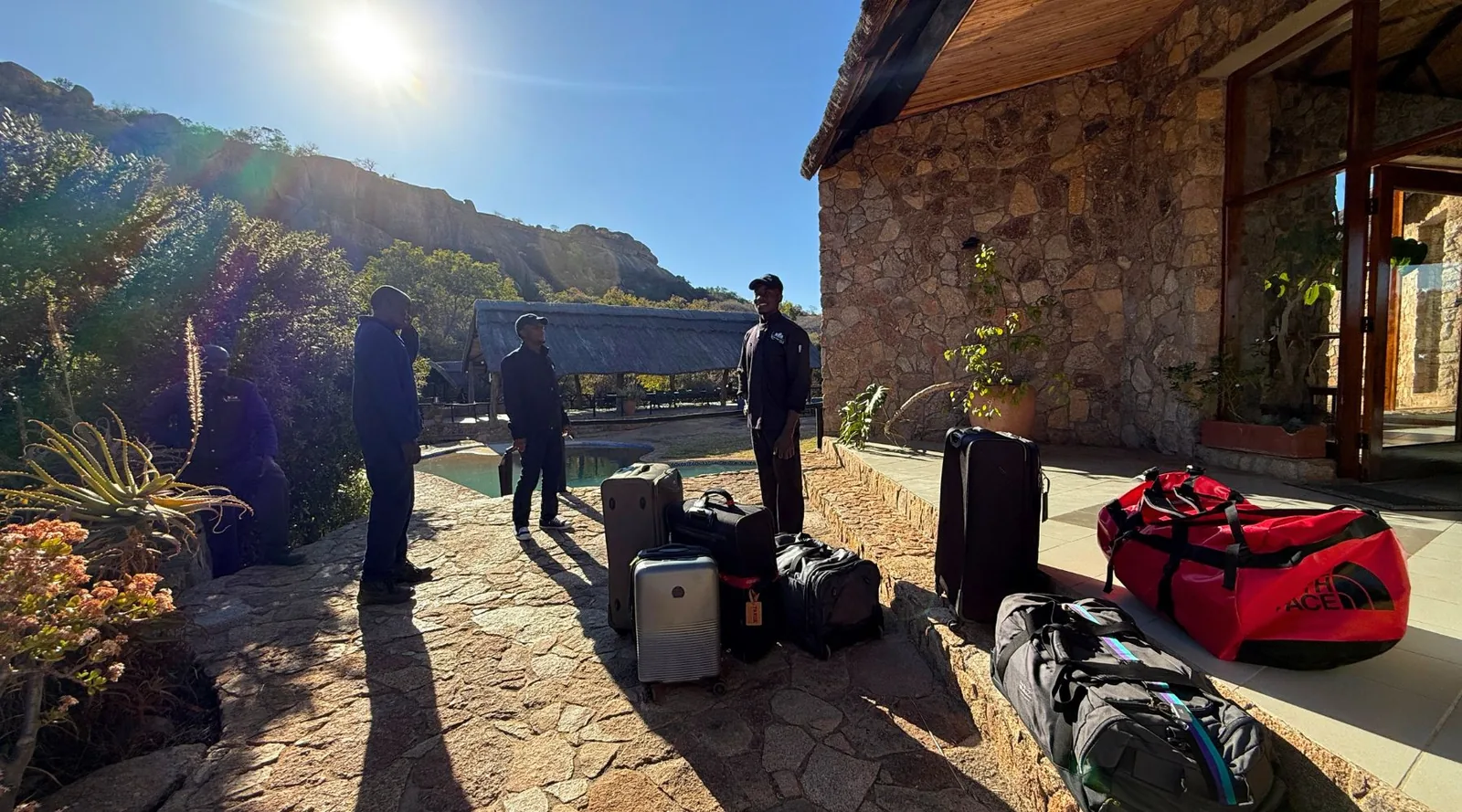
Soft-sided duffel bag and folded earth-tone safari clothing on a granite kopje in the Matobo Hills at dawn
Travel Planning · Practical Guide

Safari Packing List Zimbabwe: The Honest Kit Guide

What to pack for a safari in Zimbabwe — and what to leave home. A walking-safari packing guide from someone who lives in Matobo Hills and has seen every mistake in the book.

Updated April 2026 12 min read
Josh Elliott, Managing Director of Matobo Hills Lodge
Josh Elliott MD · Matobo Hills Lodge

I was one week old the first time I slept in a tent in Hwange. Not because my parents were reckless — they were safari guides, which depending on your definition is the same thing — but because there was nowhere else to put me. I've been figuring out what to pack into African luggage ever since. Today I'm the Managing Director of Matobo Hills Lodge, the only lodge inside Matobo National Park, and I live on Roseburn Farm, a 6,500-acre private game reserve I walk, run and cycle through every morning before breakfast. Roughly four decades and several thousand bush laundry cycles have gone into refining what actually belongs in a suitcase heading for southern Africa.

Josh Elliott with his family in the Matobo Hills, Zimbabwe
At home in the Matobo Hills with the family.

And yet, most weeks, I still watch guests unzip rolling hardcases onto our gravel driveway, haul out three pairs of jeans, a pair of bone-white Nike trainers and — I swear to you — a hairdryer, and quietly wish they'd read something like this before they boarded the plane. The days of pith helmets, heavy khaki drill and rolling into camp looking like Richard Burton or an extra from Out of Africa are, mercifully, over. Nobody's demanding you dress for a gin-and-tonic on the veranda of the Raj. This is the list I'd hand them at the airport if I could. Earth-tone layers. A soft-sided bag. The right trousers. A good headlamp. And the quiet courage to leave behind the hairdryer and, more importantly, the zip-off convertible safari trousers — which are, unambiguously, the Crocs of the bush. What follows is what actually works in Matobo, learned the hard way, with no affiliate links and no filler.

At a Glance

The Three Rules of Safari Packing

Soft Bag, Not Hardcase

15 kg including carry-on

Bush flights and light aircraft transfers across southern Africa are strict on soft-sided luggage. A hardcase will be refused at the airstrip

Earth Tones Only

Khaki · Olive · Bronze

No bright colours, no camouflage (illegal in Zimbabwe), no white (shows dust instantly). Muted tones blend in on walking safaris and photograph well at golden hour

Layers Always

Morning 8°C · Midday 28°C

Dawn game drives are genuinely cold, even in summer. Pack a base layer, mid-layer fleece, and a light puffy — you'll use all three in a single day

Soft duffel being loaded into a small bush plane on a gravel airstrip in Zimbabwe

The Non-Negotiables

Before we get into trousers and fleeces, there are a handful of items you genuinely cannot substitute or replace on arrival. Forget one of these and your safari starts on the back foot.

The Short Version

Soft duffel, proper headlamp, your own binoculars, and a travel-clinic visit six weeks before you fly. Everything else is negotiable — these four are not.

Top-down flat-lay of essential safari kit on linen: khaki long-sleeve shirt, olive trousers, wide-brim bush hat, headlamp, binoculars, Teva sandals, buff and notebook — all in earth tones
The whole kit, laid out. If it's not earth-toned and lived-in, it probably doesn't belong in the bag.

A Soft-Sided Duffel Bag

If you take one piece of advice from this guide, make it this one. Safari operators across southern Africa — ourselves included — ask for soft-sided luggage only. Light aircraft bush transfers have strict weight limits (usually 15–20 kg total, including carry-on) and the baggage hold is shaped for compressible bags, not wheeled hardcases. A rigid suitcase will be refused at the airstrip, full stop. A 70–90 litre duffel with a shoulder strap is the perfect size.

A Proper Headlamp

Lodges in Zimbabwe's bush are solar-powered. Power goes off overnight. Pathways between your room and the main lodge are unlit by design — this is the African bush, not a resort. A rechargeable headlamp with a red-light mode (which preserves night vision and doesn't attract insects) is genuinely essential. Don't rely on your phone torch.

Binoculars — Yours, Not Ours

We keep a pair in every safari vehicle, but any guide will tell you the same thing: guests who bring their own binoculars have a dramatically better safari than those who share. 8x42 is the sweet spot — bright enough for dawn and dusk, light enough to carry all day, wide enough field of view to find a leopard in a marula tree before it moves.

Yellow Fever & Malaria

Zimbabwe does not require a yellow fever certificate for entry unless you're arriving from a country where yellow fever is endemic. Malaria is present but low-risk in Matobo specifically (we're at higher elevation than Hwange or Mana Pools). Speak to a travel clinic at least six weeks before departure — don't leave it to the airport pharmacy.

Your Packing Timeline

6–8 Weeks Before

Visit a travel clinic. Discuss malaria prophylaxis, tetanus booster, hepatitis A, and typhoid. Order any prescription medication refills.

4 Weeks Before

Check your passport — Zimbabwe requires six months' validity from date of entry and at least two blank pages for the visa stamp. Apply for e-visa if your nationality requires one.

2 Weeks Before

Buy any missing clothing items now — don't leave it to the last week. Break in new walking shoes on home trails before you fly.

3 Days Before

Install the Airalo eSIM and save the QR activation email offline. Download offline Google Maps for Zimbabwe. Tell your bank you're travelling.

Morning of Departure

Passport, e-visa printout, travel insurance, US dollars cash (Zimbabwe's de facto currency for tips and incidentals), medication in carry-on, camera batteries charged.

Clothing: The Layer System That Actually Works

The single biggest packing mistake I see is guests bringing clothing designed for a beach holiday in Mauritius.

Matobo is a high-altitude granite landscape — dawn temperatures in winter (May–August) can drop to 4°C, while midday in summer can hit 32°C. You are packing for a daily swing of 20°C or more, not for "hot weather."

Forget outfits. Think in terms of a layer system — a light base that wicks, a mid-layer for mornings, and an outer layer for dawn drives and sundowners. The same three layers work for every activity on every day of your trip.

The Layer System at a Glance

Base — a lightweight long-sleeve in merino or technical synthetic. Wicks sweat, UPF protection, dries overnight.

Mid — a fleece or grid pullover. Goes on at 05:30, comes off by 08:00, back on at sundown.

Shell — a packable puffy (dry season) or waterproof hard-shell (green season). Lives in your day-pack.

Guest scrambling up a Matobo granite kopje in earth-tone safari layers and sturdy walking trousers
This is what the layer system looks like in the field: a technical base, neutral trousers, proper footwear. Dressed for the terrain, not the Instagram post.

The Colour Rule

Earth Tones Only

Khaki, olive, bronze, stone, sand, warm brown, muted navy. No white, no black, no bright colours, and — critically — no camouflage (illegal for civilians in Zimbabwe).

Six folded technical safari shirts in khaki, olive, bronze, stone, sand and muted navy — the complete Matobo colour palette
The entire allowed palette, in one frame. If a shirt doesn't belong somewhere on this line, it doesn't belong in the duffel.

White shows dust within an hour. Black attracts tsetse flies in certain regions. Bright colours are conspicuous on walking safaris and jar in photographs. Camo clothing will cause you serious problems at a roadblock — leave it at home.

How Much to Actually Pack

Every lodge I know does same-day laundry, ours included, and it's usually free. This changes everything about the numbers. You do not need seven shirts for a seven-day trip. You need three. Two you rotate while the third dries. Pack as follows for a week-long safari:

  • 3 long-sleeve safari shirts — technical fabric that dries overnight
  • 1–2 short-sleeve T-shirts — for around the lodge and hotter days
  • 2 pairs of safari trousers — one lightweight, one slightly heavier
  • 1 pair of shorts — for down time at the pool
  • 1 fleece or mid-layer — non-negotiable
  • 1 light puffy jacket — for dawn drives and sundowners
  • 1 light waterproof shell — green season only (Nov–April)
  • 5 pairs of merino or technical socks — cotton will rub and blister
  • 1 wide-brimmed hat — full 360° sun protection, not a cap
  • 1 swimsuit, 1 set of smart casual for dinner

You'll Reach For These Daily

Binoculars8×42 is the sweet spot
HeadlampRed-light mode essential
Wide-brim hatFull 360° sun cover
Polarised sunglassesGranite glare is vicious
Buff / neck gaiterDust, sun, cold dawn
3-in-1 wireless chargerTurns one socket into three
The Weight Limits

Numbers to Pack By

Light aircraft and bush transfers across southern Africa operate on strict weight limits — these are the ones that matter

15 kg
Typical bush-flight limit including carry-on and camera bag
23 kg
Standard international checked bag allowance on the flight to Zimbabwe
7 kg
Carry-on limit on most regional African carriers — they do weigh it
3
Layers — base, mid, outer — used every single day, every season
The granite hills of the Matobo Hills stretched out to the horizon — the landscape your safari packing list is built for
Kit by Category

The Gear I Actually Recommend

These are the specific items I'd pack myself — a mix of brands, not all one label, and nothing I haven't used

Long-Sleeve Shirts

Workhorse

Fjällräven Vidda Pro Ventilated — built for African heat

The back-yoke mesh vent actually works — you feel air moving through it on every step. Roll-up sleeves with a tab closure, deep chest pockets that fit a notebook, and G-1000 ventilated fabric that takes a beating. Patagonia Sol Patrol II is my lighter alternative. For something dressier around the lodge, an Icebreaker Merino long-sleeve in olive does both duty.

Pack 3 $100–$160
Tip: Long-sleeve is better than short-sleeve, even in heat — protects from sun, thorns, and insects. Roll the sleeves up when you want them off.

Fleece & Puffy

Mid-Layer

Patagonia Nano Puff for mornings, Arc'teryx Covert Cardigan for dinner

The Nano Puff is the classic safari insulation piece — compressible, warm enough for dawn game drives, works in every season. The Arc'teryx Covert Cardigan is my camp-and-dinner layer: looks smart enough for the lodge, warm enough for a chilly evening around the fire, and doesn't look like outdoor kit. Between the two you're covered from 4°C to 18°C without looking like you're about to summit a mountain.

1 of each $200–$260 each
Tip: Bronze, olive or muted navy only. A bright red puffy will end up in every game-drive photograph of every other guest on the vehicle.

Footwear

Most-Used

A low-cut trail shoe beats a heavy boot, every single time

You do not need hiking boots for Matobo. Most walking is on granite slab and short grass — a well-fitting trail runner (Salomon X Ultra, Merrell Moab Speed, or similar) is lighter, cooler, and gives you better feel on the rock. Add a pair of closed-toe sandals (Keen, Teva, or similar) for around the lodge and short walks to the pool. If you already own boots you love, bring those — just don't buy new boots the week before you fly.

2 pairs max $120–$180
Tip: Break them in before you fly. A brand-new shoe on day one of a walking safari will put a blister between you and every good morning for the rest of the week. Two or three long dog-walks at home will save the trip.

Tech & Connectivity

Non-Negotiable

Airalo eSIM — the single best travel-tech decision you'll make

I recommend Airalo to every guest without exception. You install the eSIM on your phone before you fly, choose a Zimbabwe or Africa regional data plan (from around $5), and the moment you land it activates on the local network. No SIM-swap at the airport, no roaming bill, no queuing at Econet. Pair it with a Vortex Diamondback HD 8x42 binocular, a Black Diamond Spot headlamp, and a small power bank for game drives and you are fully equipped.

eSIM from $5 Install before flying
Tip: Take a screenshot of the activation QR code before you fly — some airlines' in-flight wifi won't let you retrieve it from your inbox once you land.

The Rest of the Kit

Hat, Sunglasses & Buff

My Pick

Sun here burns harder than it looks. Cover up, always.

A wide-brim hat with a chin cord is non-negotiable — baseball caps don't protect your ears or neck. Tilley or Outdoor Research Sun Runner both work. For sunglasses, polarised is essential for granite glare; I use Smith Guide's Choice. A buff (Original Buff or Merino) doubles as dust mask, neck gaiter, and beanie.

UPF 50+ Chin cord critical
Tip: Skip mirror-finish sunglasses — they spook wildlife and they're hard to clean in the bush. Matte polarised lenses are better for both photography and game viewing.

Day Pack & Dry Bag

Workhorse

One for the vehicle, one for the rain.

A 20–25L pack handles a water bladder, camera, spare layer, binoculars, and snacks on a full-day drive. Osprey Daylite Plus or Patagonia Atom Sling both work well. Add a 10L roll-top dry bag inside for rain protection during green season — Sea to Summit Ultra-Sil is 70 g and folds to the size of a plum.

20–25L Hydration-compatible
Tip: Avoid packs with external MOLLE webbing or military styling. Earth-tone canvas or muted technical fabric is the right look.

Water Bottle & Hydration

Hot Days

Three litres a day minimum. You will drink more than you think.

A 1L insulated bottle (Hydro Flask or Klean Kanteen) stays cold for eight hours on a dusty drive. For walking safaris, a 2L bladder in your day pack is non-negotiable in the dry season. We refill everything at the lodge with filtered water — you never need to buy bottled.

1L + 2L bladder Refills free
Tip: Add rehydration salts (Nuun or SOS) — dehydration on winter drives is underrated because it doesn't feel hot enough to sweat.

Socks & Underwear

Over-Pack

The one category where more is more.

Laundry takes care of everything else, but we don't wash underwear as a matter of policy. Bring one pair per day of travel, plus two spares. For socks, merino beats cotton every time — Darn Tough Hiker Micro Crew or Smartwool PhD — because they dry overnight, don't stink, and cushion under full-day walks. Three pairs is enough for seven days if you rinse them in the shower.

1 pair/day + 2 spare Merino, not cotton
Tip: Bring sleepwear you don't mind the staff seeing during early-morning wake-up calls. Lightweight cotton or merino long-sleeve and bottoms work year-round — rooms are cool at night even in summer.

Personal Medical Kit

Critical

Small, light, boring — and the thing you'll thank yourself for.

A 200 g ziplock bag covers 95% of what goes wrong: antihistamines (for thorn scratches and dust reactions), ibuprofen, paracetamol, plasters in three sizes, antiseptic wipes, electrolyte sachets, anti-diarrhoeal (Imodium), blister plasters (Compeed), and broad-spectrum antibiotics if your GP will prescribe them. Add any prescription meds in original labelled packaging — Zimbabwe customs occasionally spot-checks.

Under 200 g Ziplock, not hardcase
Tip: The lodge has a comprehensive medical kit, EpiPens, AED, and trained staff. You are not alone. But a personal kit for minor things keeps you out of our fridge at 2am.

Documents & Admin

Non-Negotiable

Paper still beats digital at most African border posts.

Print two copies of: passport photo page, Zimbabwe visa (KAZA or single-entry), travel insurance policy with medevac cover (we recommend Global Rescue or World Nomads with adventure-sports upgrade), yellow fever card if required, and your arrival itinerary. Keep one set with you, one in your duffel. Store digital copies in a password-managed cloud folder. Bring USD cash in clean, post-2013 notes for tips — ATMs here are unreliable.

6-month passport validity USD cash for tips
Tip: Tip guidance is USD 15–20 per guest per day for your guide, USD 10 per day for back-of-house, distributed via the lodge tip box. Bring small denominations — breaking $100 bills in the bush is impossible.

What to Pack for Safari: The Complete Checklist

If you want to skip the prose and just pack, use this list. Tick the box and move on. Everything here fits within the 15 kg bush-plane limit if you stick to the quantities shown.

Open soft duffel bag on the veranda at Matobo Hills Lodge with staff laying out safari essentials — earth-tone clothing, binoculars, headlamp and boots
Arrival day on the veranda. Everything in this list fits in one soft duffel — we've been packing and unpacking guests' bags for twenty years and this is the shape it takes.

Clothing (7-day stay, dry season)

  • 3 × long-sleeve safari shirts (earth tone)
  • 2 × short-sleeve t-shirts for camp
  • 2 × safari trousers (1 midweight, 1 lightweight)
  • 1 × pair shorts or zip-offs
  • 1 × fleece midlayer
  • 1 × lightweight puffy jacket
  • 1 × rain shell (essential in green season, optional in dry)
  • 7 × pairs underwear
  • 3 × pairs merino safari socks
  • 1 × pair trail shoes (broken in)
  • 1 × pair lightweight camp sandals
  • 1 × wide-brim sun hat with chin cord
  • 1 × buff / merino neck gaiter
  • 1 × swim costume (we have a pool)
  • 1 × sleepwear set

Gear

  • Soft-sided duffel or wheeled soft bag, under 15 kg
  • 20–25L day pack, earth-tone
  • 10L roll-top dry bag (green season)
  • Headlamp with red-light mode + spare batteries
  • 8x42 binoculars
  • 1L insulated water bottle
  • Packing cubes (forget plastic bags — banned in Zimbabwe)
  • Sunglasses — polarised, matte finish

Electronics

  • Phone + UK-plug charger
  • Camera body + lenses (optional)
  • Spare camera batteries × 3
  • 128 GB+ memory cards × 2
  • 20,000 mAh power bank
  • UK Type G plug adapter × 2
  • Airalo eSIM installed before departure
  • Kindle or book (Starlink is fast, but offline reading is better in the bush)

Toiletries & Medical

  • Personal medical kit (200 g ziplock)
  • Prescription meds in labelled packaging
  • Malaria prophylaxis (if prescribed)
  • SPF 50 sunscreen (we stock reef-safe, but bring your own brand if precious)
  • Lip balm with SPF
  • DEET insect repellent (green season)
  • Toothbrush + toothpaste
  • Deodorant — unscented preferred
  • Moisturiser — the air is dry

Documents

  • Passport (6 months validity, 2 blank pages)
  • Zimbabwe visa (KAZA or single-entry, printed)
  • Yellow fever card (if itinerary requires)
  • Travel insurance with medevac cover, printed
  • Printed itinerary + lodge contact details
  • USD cash in small denominations (post-2013 notes)
  • Credit card — Visa and Mastercard both accepted

Special Cases

The checklist above is the baseline. Three categories of guest need a different approach, and it's worth saying what's actually different rather than letting you guess.

Couple sitting on a granite kopje at sunrise in the Matobo Hills, dressed in earth-tone safari shorts and layers
Shorts absolutely have a place on safari — for downtime on the rocks at sundowners and the warmest middle of the day. Just not on dawn game drives or walks.

If You're a Serious Photographer

The 15 kg limit bends slightly for camera gear, but only if it's in a dedicated photo bag that we pre-clear with the charter operator. Two bodies, two lenses, and a mid-weight tripod is the realistic upper limit. A bean bag is better than a tripod in our vehicles — we can fill yours with rice from the kitchen on arrival. Pack a giant rocket blower; Matobo's granite dust is fine and gets into everything, especially sensors. If you're shooting on a Z9 or A1 with a 400mm f/2.8, tell us in advance so we can plan vehicle placement for light angles.

Guest at Cecil Rhodes' grave at World's View in the Matobo Hills, Zimbabwe
World's View and Rhodes' grave is a genuinely cold, windy spot at any time of year — even a warm-weather visit needs a layer, a hat, and proper shoes for the granite.

If You're Travelling With Kids

The cold morning drive is harder on children than adults. Pack a proper puffy or ski jacket even if the forecast says 18°C — wind chill on an open vehicle at 5am drops another 6–8 degrees. Bring a few familiar snacks for the first 48 hours; the lodge kitchen will have everything by day three but jet lag makes the first morning hard if breakfast is unfamiliar. A small pair of binoculars (6x21 is fine for under-10s) keeps kids engaged on drives. Leave the iPad at home — we'd rather they looked up.

If You Have Mobility or Fitness Concerns

You don't need to be an athlete to stay with us. Game drives are all vehicle-based and accessible to anyone who can climb two steps. Walking safaris and rhino tracking are optional — the property has driveable viewpoints for every experience. Pack one pair of supportive everyday walking shoes (your usual trainers are fine for vehicle days) and skip the serious trail shoes if you won't be walking more than 1 km. Talk to us before booking if you have specific concerns about stairs or mobility — two of our three rooms are ground-floor.

If You're Arriving in Green Season (Nov–Apr)

Add to the baseline: waterproof boots (not just shoes), a proper rain shell with taped seams, 10L dry bag for electronics, DEET 30% or higher, and long sleeves you actually want to wear when it's warm. Swap the fleece for a lighter midlayer. Green season is the most beautiful time in Matobo — dramatic skies, migratory birds, newborn antelope — but it rewards people who packed for it.

In-Depth Product Reviews

I've been asked the same thing every month for seven years: "What's the actual best X for safari?" Here are my real answers, pitted against their direct competitors, with trade-offs spelled out. Prices are rough USD retail at time of writing. Shop around — none of these links are affiliate links.

Soft Duffel & Travel Bags

The 15 kg charter limit rules out most "travel" bags. What you want is a soft, structureless sack with decent zippers, grab handles at both ends, and a shoulder strap or proper straps. Don't overthink it — but do buy one good bag rather than three bad ones.

Aer Travel Pack 4 X-Pac — around USD 299. The one I'm actually carrying right now. X-Pac VX21 sailcloth (genuinely weatherproof, not marketing-weatherproof), clamshell opening that lets you pack it like a suitcase, dedicated laptop and tech compartments, stowable proper backpack straps for the airport and a hip belt when you're loaded. It hits the 35L carry-on sweet spot, the X-Pac fabric shrugs off gravel-road scuffs, and — crucially — it's soft-sided enough for every charter operator in southern Africa to wave through. Not cheap. Worth every dollar if you travel more than twice a year.

Patagonia Black Hole 55L — around USD 159. The classic. Before I converted to the Aer, this was the bag I used for seven years and I still keep one in rotation. Recycled ripstop shell, weatherproof coating, grab handles at each end, removable strap that doubles as basic backpack straps. Packs flat when empty, which matters because it lives in the back of a game vehicle between trips. If you want one bag for under $200 that will survive a decade of African travel, this is it.

Eagle Creek Cargo Hauler 60L — around USD 159. The workhorse alternative. Lifetime warranty that Eagle Creek actually honours, more internal organisation than the Black Hole, slightly heavier empty. If you like compartments, this wins. If you like simplicity, it doesn't.

Osprey Transporter 65 — around USD 170. Best dedicated backpack-strap system in the duffel category. Worth it if you're doing a multi-stop trip with long airport transfers. Overkill for Matobo alone.

Avoid: the YETI Panga. Yes, it's waterproof. Yes, it weighs 4 kg empty, which wipes out a quarter of your payload before you've put anything in. No safari charter operator enjoys wrestling it into a Cessna Caravan. Also: rolling hardcases. Don't. Every bush flight I've ever watched end in an argument has involved a hardcase.

Safari Trousers

One pair for cool mornings and walks, one lighter pair for mid-day camp and travel. Both must have deep zipped pockets and a stretch gusset.

Arc'teryx Gamma Lightweight Pant — around USD 180. My daily driver for three seasons. Wick-fast softshell, articulated knees, zipped thigh pocket that actually holds a phone. The "Tatsu" colour is the closest to the perfect Matobo stone tone — not khaki, not grey, something in between. They dry overnight on a towel rail after a shower rinse. Downsides: they shine slightly on the seat after six months, and they're too warm for mid-day walks in January.

Norrøna falketind flex1 Pants — around USD 229. The hot-season alternative. Lighter than the Gamma, stretchier, dries faster. Norrøna's Scandinavian earth tones are perfect. Only reason they're not my first pick is the thin fabric picks up thorn-snags more readily on bush walks.

Patagonia Terravia Trail Pants — around USD 149. The new favourite of a lot of our guests, and for good reason. Stretchy, quick-drying recycled nylon, articulated knees, a proper zipped thigh pocket, and a cinched hem that keeps grass seeds out of your socks. Cooler than the Gamma in 32°C heat and about 40% cheaper. The "Dark Ash" and "Garden Green" colourways both sit exactly in the Matobo palette. If you only ever buy one pair of safari trousers, these or the Gamma — and I wouldn't argue with either choice.

Fjällräven Vidda Pro Ventilated — around USD 220. The heavyweight. G-1000 fabric is near-indestructible, reinforced seat and knees, built-in ventilation zips at the thigh. Overkill for vehicle days, but the best option for long walks or multi-day hikes. Too warm for summer.

KÜHL Renegade — around USD 99. The value pick. Good stretch, decent pockets, convertible versions available. Nothing special, but gets the job done at half the price of the premium options.

Avoid: Columbia Silver Ridge in anything but the "Tusk" colour — the lighter shades turn pink after three washes in hard African water.

Long-Sleeve Safari Shirts

Three is the magic number. Lightweight, long-sleeve, collared, earth-tone. Anti-insect treatment is a bonus, not a requirement.

Fjällräven Abisko Trekking Shirt — around USD 125. The shirt I wear most. Roll-up sleeves with a secure tab, two chest pockets, back-vent panel. In "Savanna" or "Buckwheat" brown it's exactly right. Dries in 20 minutes in direct sun.

ExOfficio BugsAway Halo — around USD 95. Best for green season. Permethrin-treated fabric genuinely reduces mosquito landings — tested and EPA-registered. Treatment lasts 70 washes. Lighter than the Abisko but less durable.

Craghoppers NosiLife Adventure III — around USD 85. The British safari classic. Permanent insect protection, UPF 40+, and a price that won't make you cry if it gets torn on a thorn. The "Pebble" colour is excellent. My only gripe: sleeves cut a touch short.

Royal Robbins Expedition Pro Long Sleeve — around USD 89. Honourable mention. Lighter than the Abisko, warmer than the Halo. Good in the shoulder seasons.

Short-Sleeve Technical Tees

Arc'teryx Cormac Crew SS — around USD 65. The hot-weather alternative to merino. When October hits and it's 35°C in the shade, merino base layers become stifling. The Cormac is ultralight polyester with open-knit mesh ventilation panels — it breathes like nothing else and dries in 20 minutes flat. Not as odour-resistant as merino (wash it every night, which takes 30 seconds in the shower and it's dry by dawn), but in pure heat management it's categorically superior. Josh reaches for this October through February for camp and shorter walks, then switches back to merino long-sleeves when it cools. Keep it in khaki, stone or "Forage" colourway for the right earth-tone look. Pack 1–2 alongside the long-sleeves, not instead of them.

When to choose technical tee vs merino: merino wins when temperatures are moderate, on multi-day wear without washing, and for odour control. Technical synthetic wins when it's genuinely hot (28°C+), when you're sweating heavily, and when fast drying matters more than smell management.

Insulation: Fleece & Puffy

The puffy is for dawn drives, the fleece is for everything else. Synthetic beats down for our climate — down wets out in green-season humidity.

Patagonia Nano Puff — around USD 249. The standard. 60 g PrimaLoft Gold insulation, packs into its own pocket, proven over 15 years of production. In "Basin Green" or "Seabird Grey" it's the right colour. Warm enough for 5°C mornings without a shell.

Rab Xenair Alpine Light — around USD 240. Warmer than the Nano Puff, better hood, more breathable. Heavier by 80 g. If you run cold or plan to be out at dawn every day, this wins.

Arc'teryx Covert Cardigan — around USD 170. The mid-layer I put on after the puffy comes off around 10am. Full-zip, grid-fleece construction, quick drying. Looks respectable enough for dinner without changing.

Patagonia R1 Air Full-Zip — around USD 179. Lighter alternative to the Covert. Better for walking safaris where you're generating heat. Less camp-smart.

Rain Shells (Essential Nov–Apr)

Skip this in dry season. In green season it's the difference between a good afternoon and a ruined one. Three-layer construction matters; 2.5-layer shells pack smaller but wet out from the inside on long storms.

Arc'teryx Beta LT Jacket — around USD 450. The one. Three-layer GORE-TEX, pit zips, helmet-compatible hood, cut long enough to cover the seat of your trousers in a downpour. Expensive. Lasts forever.

Patagonia Torrentshell 3L — around USD 179. The best value in rain shells. Three-layer H2No fabric, Fair Trade sewn, outlasts most people's interest in safari. Hood drawcord is less refined than the Beta, but functionally it does the same job.

Marmot Minimalist GORE-TEX — around USD 210. The lighter option. GORE-TEX Paclite Plus, 380 g, folds smaller. Trade-off is breathability — it runs warm inside on an active day.

Trail Shoes & Boots

Granite whalebacks, loose sand, grass burrs. You want a shoe that grips on stone, drains fast, and doesn't pick up half the bush every step. Mid-cut boots are only needed for ankle support on multi-day walks.

Salomon X Ultra 4 Mid GTX — around USD 165. My own recommendation for walking-safari guests. Lower-volume fit than Merrell, better lateral support on granite slopes, Contagrip rubber grips wet stone. GORE-TEX version for green season, non-GTX for dry.

Merrell Moab 3 Mid Waterproof — around USD 150. The default recommendation for a reason. Comfortable out of the box (no break-in), Vibram sole, roomy toe-box. Less nimble than the Salomon but friendlier to wide feet.

La Sportiva TX4 Evo Mid GTX — around USD 199. Premium pick. Sticky climbing rubber for steep granite, stiffer platform for full-day walks. Overkill unless you're scrambling.

Altra Lone Peak 8 — around USD 150. The trail-runner option. Zero-drop, wide toe-box, lightweight. Great for vehicle days and short walks. Not enough for multi-day trekking.

HOKA Speedgoat 5 — around USD 155. Max-cushion trail runner. Brilliant on long dusty tracks, less confidence on technical granite. Good second shoe.

Avoid: anything marketed as a "safari boot" in a tan colourway from a mall chain. They are almost invariably stiff-soled leather nonsense that will punish your feet on granite and take a week to break in. Buy a real trail shoe from a real trail brand.

Camp Sandals

One pair only. For the pool, the shower, and walking to dinner. Flip-flops slip off on grass.

Teva Terra Fi 5 Universal — around USD 90. Adjustable strap, grippy sole, neutral colour. The workhorse.

Chaco Z/Cloud — around USD 115. More arch support than the Teva. Overengineered for camp use, but if you're planning side-trips, the comfort matters.

Bedrock Cairn Adventure — around USD 105. The minimalist pick. Lighter, packs flatter, still stays on in water.

Binoculars

8x42 is the right answer. Not 10x, not 8x30. The only real decision is how much you spend.

Vortex Diamondback HD 8x42 — around USD 249. The smartest money in birding optics. Sharp across most of the field, bright enough for dawn and dusk, and Vortex's VIP warranty is unconditional — drop them, crack them, they'll repair or replace. For 95% of safari guests, this is where to stop looking.

Nikon Monarch M7 8x42 — around USD 479. A clear step up in glass quality. Better edge sharpness, slightly brighter, noticeably crisper contrast. Worth the jump if you wear them all day.

Swarovski CL Companion 8x30 — around USD 1,499. The compact premium pick. If you fly business class to get here, this is the pair. Lighter than the 8x42 alternatives, still brilliant optically.

Zeiss Conquest HD 8x42 — around USD 1,049. The benchmark under Swarovski's flagship. You'll see the difference at first light.

For kids: Nocs Provisions Standard Issue 8x25 — around USD 95. Small hands, colourful, genuinely decent optics, cheap enough that a drop doesn't ruin the trip.

Headlamps

Red-light mode is non-negotiable. White light ruins everyone's night vision around the fire.

Black Diamond Spot 400 — around USD 50. 400 lumens, red-light mode, waterproof, AAA batteries (easier to replace than proprietary rechargeables in the bush). The one I use.

Petzl Actik Core — around USD 70. Rechargeable via USB-C, also takes AAA. 600 lumens, proper red-light mode. Better beam pattern than the Spot for walking at night.

Fenix HM65R-T — around USD 110. Overkill for camp but excellent for photographers working after sundown. 1,600 lumens, aircraft-grade aluminium body.

Camera Bodies & Lenses

If you already own a mirrorless system, don't change it for safari. The right lens matters more than the right body. Here's what's currently best in class.

Sony A7 IV — around USD 2,498 body. Best all-rounder. 33 MP, excellent autofocus tracking for wildlife, robust weather sealing. Pair with the FE 200–600mm f/5.6–6.3 G (USD 1,998) for reach.

Canon EOS R6 Mark II — around USD 2,499 body. Better autofocus than Sony on birds in flight. Pair with the RF 100–500mm f/4.5–7.1 L IS (USD 2,899) for the best Canon safari kit.

Nikon Z6 III — around USD 2,499 body. Newest of the three, with a partially stacked sensor that gives Sony-level AF. Pair with the Nikkor Z 180–600mm (USD 1,699) — stonking value for reach.

OM System OM-1 Mark II — around USD 2,399 body. Micro Four Thirds dark horse. Tiny, light, with computational features (ProCapture, Live ND) no full-frame can match. Paired with the 150–600mm f/5.0–6.3 IS (USD 2,699) you get 300–1,200mm equivalent reach in under 3 kg of total kit.

Second lens recommendation: A 24–70mm f/4 or a 35mm f/1.8 for camp, portraits, and landscape. The Sony FE 35mm f/1.8 is 280 g, affordable, and brilliant.

Sun Hats

Brim at least 7.5 cm all the way around. Chin cord required. Dark interior underside cuts glare.

Tilley LTM6 Airflo — around USD 97. The original and still the best. Lifetime warranty, floats, UPF 50+, mesh crown for ventilation. In "Taupe" or "Khaki" only.

Outdoor Research Sun Runner — around USD 50. The packable pick. Removable neck cape for brutal midday sun. Looks slightly functional-tactical but it works.

Sunday Afternoons Ultra Adventure — around USD 49. Huge brim, floating fabric, best-in-class ventilation. The one I reach for on rhino tracking days.

Sunglasses

Polarised lenses essential; matte finish only. Mirror-coated lenses spook wildlife and are hard to clean in the field.

Smith Guide's Choice — around USD 249. ChromaPop polarised, side-shields, grippy temples. Purpose-built for exactly this use case.

Costa Fantail Pro — around USD 280. Tuned for glare on water and light surfaces — which is exactly what Matobo granite does at noon. Best contrast enhancement I've tried.

Maui Jim Peahi — around USD 259. If you already own Maui Jims you know why. Colour rendering on the MauiPure lenses is superb. Slightly flashy for some tastes.

Water Bottles & Hydration

Hydro Flask Standard Mouth 21 oz — around USD 38. Cold for 12+ hours. Narrow mouth, no ice cubes needed. 21 oz is the sweet-spot for vehicle pockets.

Klean Kanteen TKWide 32 oz — around USD 42. Bigger, wider mouth for ice. Café-cap lets you drink without unscrewing. My personal pick on walking days.

CamelBak Octane XCT hydration pack — around USD 110. For walking safaris where stopping to unscrew a bottle is inconvenient. 2L bladder, small enough not to look tactical.

Day Packs

Osprey Daylite Plus — around USD 75. 20L, hydration-compatible, padded laptop sleeve doubles as hydration pocket. Best value in the category.

Patagonia Refugio Daypack 30L — around USD 119. A step up for photographers who also carry a jacket, water, and snacks. 30L is the ceiling before it starts looking like a hiking pack in camp.

Peak Design Everyday Backpack 20L V2 — around USD 279. The photographer's choice. Flex-fold dividers for camera bodies and lenses, weatherproof, looks respectable. Overkill for casual shooters.

Power Banks, Chargers & Adapters

Safari lodges — ours included — were built before anyone thought someone might arrive with four devices and a camera that all need charging overnight. You will almost always find fewer plug sockets than you have chargers. Solve that problem at home, not by arguing with housekeeping at 10pm.

Folded 3-in-1 MagSafe-style wireless charger on a wooden bedside table in a safari lodge room, charging phone, watch and earbuds from a single wall socket
One socket, three devices, nothing to argue about at 10pm. The quiet travel tech upgrade that's paid for itself the moment I unpacked it.

KUXIU X40 Turbo Qi2.2 25W 3-in-1 MagSafe Foldable Wireless Charger — around USD 70. The single best piece of travel tech I've added in years, and the one I now tell every guest to buy before they fly. Qi2.2 certified, 25W fast wireless, folds into something the size of a wallet, and charges phone, watch and earbuds simultaneously — from one wall socket. In a lodge room with two plugs behind a bedside table, this turns one socket into three chargers. Pair with a single UK Type G adapter and your entire bedside is solved. I have never travelled with it and not had another guest ask what it is.

Anker 737 Power Bank (PowerCore 24K) — around USD 150. 24,000 mAh, 140W USB-C PD output, charges a MacBook Pro once and a phone four times. TSA-compliant (under 100 Wh). The one I carry on game drives.

UGREEN Nexode 100W 4-Port Charger — around USD 80. Pair with a UK Type G adapter plug. Charges phone, laptop, camera, and headlamp simultaneously from one outlet. Tiny.

Adapter: any decent UK Type G adapter. Ceptics UK Travel Adapter (around USD 12) is the boring right answer. Bring two.

eSIM

Airalo — Mahobela Zimbabwe — from USD 5 (1 GB / 7 days) to USD 26 (20 GB / 30 days). The only eSIM worth considering for Zimbabwe. Install before you fly. 5 GB for 30 days at USD 15 is what most guests need. Screenshot the activation QR code before departure — some airlines' in-flight wi-fi won't let you retrieve it from your inbox once you land.

Buff / Neck Gaiter

Original Buff EcoStretch — around USD 25. The original. Made from recycled PET. Dust mask, neck gaiter, beanie, sweatband — all from one tube.

Buff Merino Lightweight — around USD 35. Better for cold mornings. Warmer, softer, slightly more expensive. My pick for June and July.

Socks

Darn Tough Hiker Micro Crew Cushion — around USD 25. Merino-nylon blend, unconditional lifetime warranty, American-made in Vermont. Three pairs is enough for seven days if you rinse in the shower.

Smartwool Performance Hike Light Cushion Crew — around USD 23. Softer than Darn Tough, slightly shorter lifespan. Both are excellent.

Packing Cubes

Eagle Creek Pack-It Reveal Cube Set — around USD 49 for three. Mesh-panel fronts so you can see what's inside without unpacking. The single best thing you can do to keep a duffel organised.

Peak Design Packing Cubes — around USD 49. Two-compartment design (clean / dirty split). A step up if you want nicer fabric.

Why Packing Cubes Change Everything on Safari

Packing cubes laid out inside an open soft-sided duffel bag, showing organised clothing categories for a safari trip
The inside of a properly cubed duffel. Every category has a home, every item has a place. The difference this makes at 5am when you're reaching into a dark bag for a fleece is immeasurable.

Packing cubes matter more in soft-sided bags than in rigid luggage. A hard suitcase has structure built in — your clothes sit where you packed them. A duffel is just a fabric sack. Without cubes, it becomes a collapsed tangle after the first bush-plane flight. With them, it stays organised.

The compression benefit is real. A properly cubed duffel packs 20–30% tighter than loose packing. That space matters when your limit is 15 kg. More importantly, you know exactly what's in each cube, which means you stop rummaging and start finding.

Organisation That Actually Works

The system is simple. Five categories, five cubes:

  • Bush wear: Long-sleeve shirts, trousers, technical layers. Everything you're wearing on game drives.
  • Lodge wear: Dinner clothes, camp shorts, casual shirts. What you'll wear around the property.
  • Underwear & socks: Merino, synthetics, everything base layer. Stays together, easy to restock.
  • Tech & cables: Chargers, adapters, power banks, camera gear accessories. Nothing gets lost in the main bag.
  • Laundry (dirty gear): A separate cube for worn items keeps them isolated from clean clothes and stops them fouling the whole duffel.

On arrival, you unzip each cube, pull out the drawer in your room, and drop them in. Everything has a home. On departure, you reverse the process in reverse. Two minutes max.

Bush flights are where cubes prove their worth. You're pulling the duffel out at 5am in partial light, the guide is calling for a departure window, and you need your fleece. Without cubes, you're excavating a collapsed bag. With them, you grab the layer cube, find exactly what you need, and move on. Then, when the day ends and you're repacking for the next airstrip, you reverse the process: cubes go back in the duffel in the exact same order. No guessing. No panic.

Laundry separation is underrated. During green season, you'll wash daily. A dedicated dirty cube keeps worn gear away from your clean kit, stops the smell spreading, and makes handover to the lodge laundry straightforward — you just hand over the cube.

Airport security works better too. You can pull out exactly what's needed for the scanner without upending your entire bag. And when a duffel gets tossed around in a bush-plane hold (which it will), the cubes keep categories intact instead of everything collapsing into a patchwork.

The realistic downside: cubes can encourage overpacking because they make it feel like there's more room. The discipline is simple. Fill each cube to 80% capacity and stop. Once a cube is full, you're done with that category. The system forces a ceiling.

Which Cubes to Buy

Peak Design Packing Cubes — around USD 49. Two-compartment clean/dirty split, premium materials, the system Josh uses. Best for photographers and premium travellers who want the nicest gear. Slightly overbuilt for what they are, but they'll last a decade.

Aer Packing Cubes — around USD 25–45. Clean, minimal, pairs perfectly with the Aer Travel Pack. X-Pac or 1680D ballistic nylon depending on variant. Best for one-bag travellers who want the system to match their bag.

Eagle Creek Pack-It Reveal Cube Set — already reviewed above as the budget winner. Mesh-panel fronts so you can see what's inside without unpacking. The value option.

Travel Insurance

Not gear, but the single most important "thing" in your bag. Standard travel insurance often excludes remote Africa or has low medevac caps. Two options that actually work here:

Global Rescue — around USD 129 for a 7-day trip. Medical evacuation from any point to your home hospital of choice. Physical presence in Southern Africa. This is what I carry personally.

World Nomads Explorer Plan — around USD 80 for a 7-day trip. Cheaper, broader coverage (cancellation, baggage, medical), but the medevac cap is lower. Fine for most guests. Upgrade to the adventure-sports tier if you're doing walking safaris.

Sundowner drinks at Matobo Hills Lodge with guest in layered earth-tone safari clothing at golden hour
Season-by-season

Dry Season vs Green Season

The two seasons demand genuinely different kits. Tap a season to see what changes.

Morning Layer
Puffy + fleece

Dawn temperatures drop to 5–8°C. You'll want both layers on the first drive.

Shirts
3 long-sleeve, lightweight

Technical fabric that dries overnight. Sun protection > style.

Rain Shell
Optional

Rain is rare May–October. A packable windbreaker covers the edge case.

Footwear
Trail shoes + one sandal

Dry ground, good grip needed on granite. Sandal for around camp.

Insect Repellent
Low priority

Mosquito pressure is minimal. We stock it in every room anyway.

Dust Buff
Essential

Dry-season roads kick up fine red dust. Your lungs and camera will thank you.

What NOT to Bring

This list matters more than the packing list itself. Three items here can get you stopped at immigration, fined, or escorted off the property. I've seen all three happen.

Leave These at Home

  • Camouflage clothing. Illegal for civilians in Zimbabwe. Customs can confiscate it at Victoria Falls or Bulawayo airport. This includes camo-pattern backpacks, hats, and hydration packs. No exceptions — not even "hunting camo" from a US sporting goods store.
  • Drones without a permit. The Civil Aviation Authority of Zimbabwe requires a permit obtained before arrival. Cost is around USD 200 and takes 4–6 weeks. Flying without one is a criminal offence. Don't risk it for a fly-over clip.
  • Plastic carrier bags. Banned since 2023. Bring reusable packing cubes and a cloth laundry bag instead.
  • Ivory, rhino horn, or any wildlife product. Obvious, but worth stating. Don't buy carved trinkets from roadside vendors — even if they claim it's "cow bone."
  • Large hard-sided suitcases. They won't fit in the bush planes. If you're transferring by road only, you can get away with a mid-sized hardcase — but a soft duffel still makes more sense.
  • White clothing. It will not stay white. The red Kalahari sand and Matobo granite dust stain permanently after one walk.

The camo rule surprises almost every first-time visitor. It's a hangover from the 1970s independence war and it's still strictly enforced. If you own camo and think it looks "safari-ish" — it doesn't. Earth tones read as professional; camo reads as ex-military, which creates problems at roadblocks.

Practical Considerations

Getting Here

Fly into Victoria Falls (VFA) or Bulawayo (BUQ). Road transfer from Bulawayo is 90 minutes on tarmac. From Vic Falls, it's a 4-hour drive or a 1-hour charter. Your 15 kg soft duffel matters on the charter leg.

What's Included

We stock insect repellent, sunscreen (reef-safe), shampoo, conditioner, and body wash in all rooms. Hairdryers are in every bathroom. You don't need to pack toiletries unless you prefer specific brands.

Laundry & Practicalities

Same-day laundry is complimentary for all guests. Hand-washed, line-dried, returned folded by evening turndown. This means you can pack for 3 days and stay for 7. Underwear and socks are the only items worth over-packing.

Power & Plugs

Zimbabwe uses UK-style Type G plugs (three rectangular pins). Voltage is 220–240V. Your US or EU electronics will need an adapter. We stock a limited number at reception but bring your own if you're precious about a specific charger. All rooms have solar-backed power 24/7.

Free 4-Part Email Series

The Matobo packing list + insider tips — straight to your inbox.

A printable PDF checklist, then three follow-up emails with the packing mistakes we see every week, gear deals, and last-minute prep tips from the lodge team.

Season-specific
clothing list
Non-negotiable
gear & brand picks
What NOT to bring
(and why)
Bush-plane weight
& soft-bag rules

Four emails, then we stop. No ongoing newsletter, no spam — unsubscribe in one click.

Send it to me

Enter your details — the checklist PDF arrives first, then three short emails over the next week.

Your email is safe with us. We never share it.

Common Questions

Frequently Asked Questions

Fifteen kilograms (33 lbs) per passenger, inclusive of camera gear and hand luggage, in a soft-sided bag with no rigid frame. This is enforced at check-in and is non-negotiable. Hard-sided suitcases and roller bags will be refused outright.

No. Camouflage clothing is illegal for civilians in Zimbabwe and can be confiscated at the airport. This includes camo-pattern backpacks, hats, and hydration packs. Earth tones — khaki, olive, brown, sand — are the correct choice for both comfort and compliance.

Only if you're arriving from a country with active yellow fever transmission — this includes most of West and Central Africa, parts of East Africa, and several South American countries. If you're flying direct from Europe, North America, Australia, or the Middle East, it's not required. Your yellow card is only checked at immigration if your itinerary triggers it.

Matobo is low-to-moderate risk. Most GPs recommend Malarone (atovaquone/proguanil) for the duration of travel plus 7 days after. Speak to a travel clinic 4–6 weeks before departure. We have mosquito nets in all rooms and the lodge fogs at dusk during green season.

Trail shoes with grippy soles are better than full boots for most Matobo terrain — you'll spend hours on warm granite whalebacks where ankle flexibility matters more than rigidity. Boots are only necessary if you're doing multi-day walks or have existing ankle issues. Either way, they must be broken in before arrival.

Yes — install an Airalo eSIM before you fly. Zimbabwe coverage is USD 15 for 5 GB over 30 days. Local SIMs require FICA registration and take an hour at the airport. Our lodge has Starlink Wi-Fi across all public areas and most rooms, so you'll only need cellular for transit days.

8x42 is the sweet spot for safari. The 8x magnification is steady enough to hand-hold without blur, and the 42mm objective gathers enough light for early-morning and dusk game viewing. Vortex Diamondback HD is excellent value; Swarovski EL is the benchmark if budget allows. Avoid 10x or higher — the shake is tiring over a 3-hour drive.

Yes, complimentary same-day laundry for all guests. Items dropped before 9am are returned by evening turndown, hand-washed and line-dried. This is why you can pack for three days and stay for seven. Only underwear is a special case — we don't wash it as a matter of policy, so bring enough for your full stay.

Smart-casual. A clean long-sleeve shirt and chinos are more than enough. Nobody dresses up in the safari-industry sense — no jackets, no collared-shirt requirements. If you can sit at a restaurant on holiday in the Mediterranean, you're dressed for dinner here.

June and July mornings routinely hit 5–8°C on open game drives. By 10am it's 22°C and by midday 28°C. The temperature swing is the single biggest packing error guests make — they underestimate the dawn cold and show up in shorts and a t-shirt, then suffer for two hours. Pack a puffy and a fleece for winter. No exceptions.