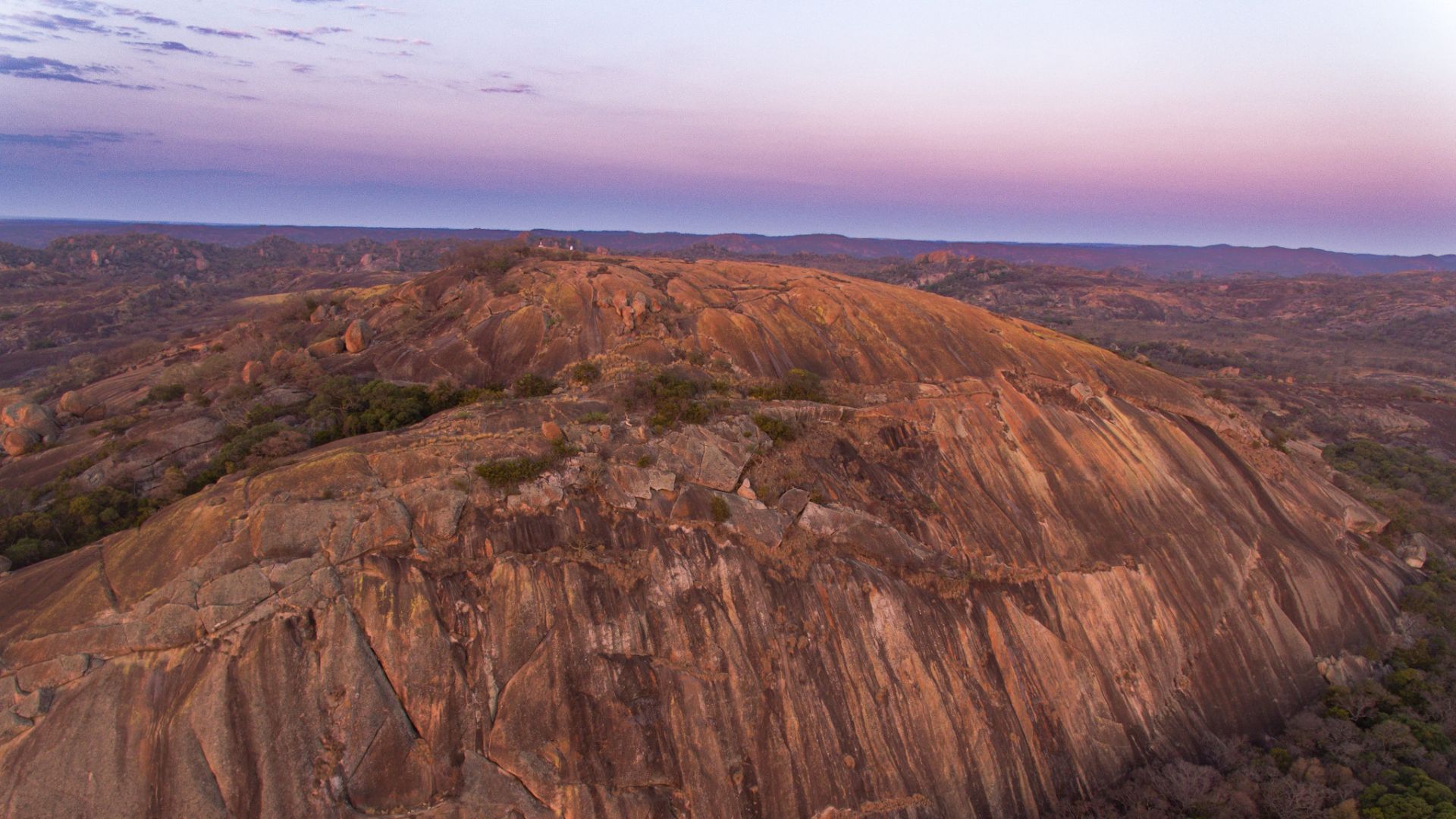
Most people arrive here having allowed two nights, and a good number of them try to move it to three on the second morning.
Sometimes we can. Often we're full. So this is the version I'd rather you read before you book than work out while you're standing at the bar asking.
Three nights. Here's what each day does.
Why three and not two
Two nights gives you one full day. One full day means rhino tracking and a cave, back to back, with a drive to World's View squeezed onto the end of it. All of that is possible. People do it constantly and leave happy.
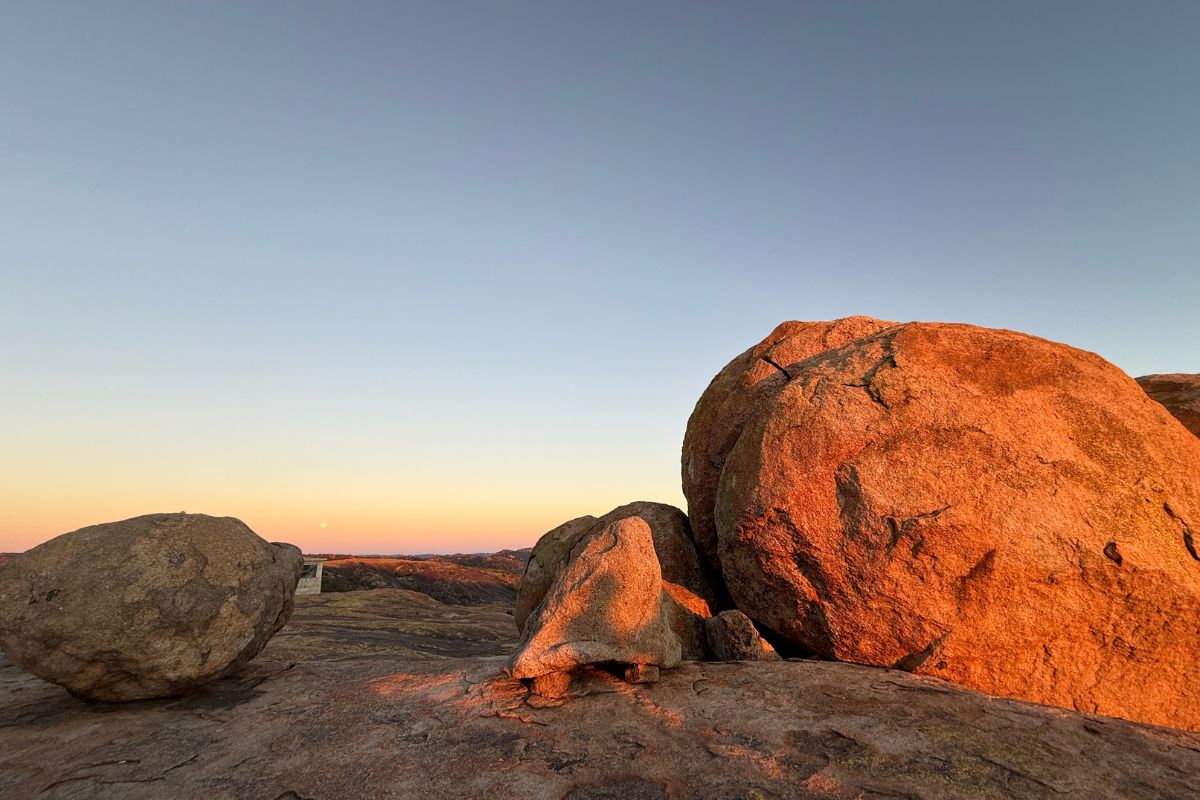
What they miss is the middle of the second day, which is when something changes. The first full day here is spent looking at things. The second is when people stop checking the time, sit on the rock for two hours, and start noticing what the place sounds like.
That's not a marketing line. It's the single most consistent thing I see, and it's why the third night is the one I push.

Day one: arrive, and do almost nothing
The road from Bulawayo is 50 km and takes about 55 minutes, tarred most of the way and dirt at the end. Whatever time you land, arrival day is not a safari day and treating it like one is the most common mistake on a short stay.
Check in. Walk to the rock behind the lodge, which takes four minutes. Swim if it's hot. Eat lunch late.
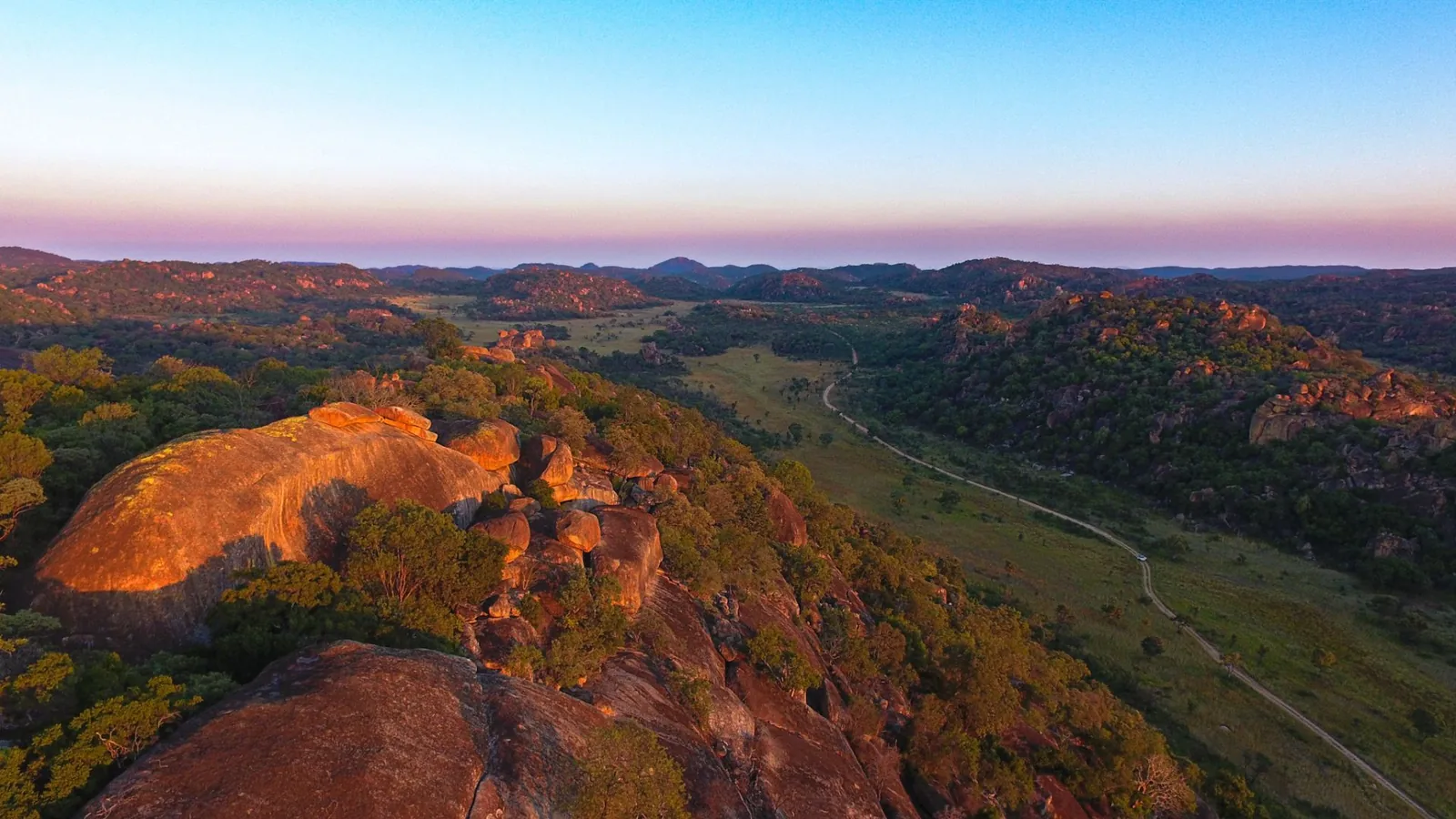
If you're in by mid-afternoon, World's View is the right thing to do with the rest of it. The summit wants low sun, the drive is short, and it puts the biggest view of the trip on your first evening rather than your last. If you arrive after four, leave it. It's a better morning on day three than a rushed hour on day one.
Dinner is one table under thatch. Your guide will come and find you at some point and settle what happens tomorrow.
Day two: the rhino and the paintings
This is the day the trip is built around. Both halves of it are why people come to the Matobo rather than anywhere else in Zimbabwe.
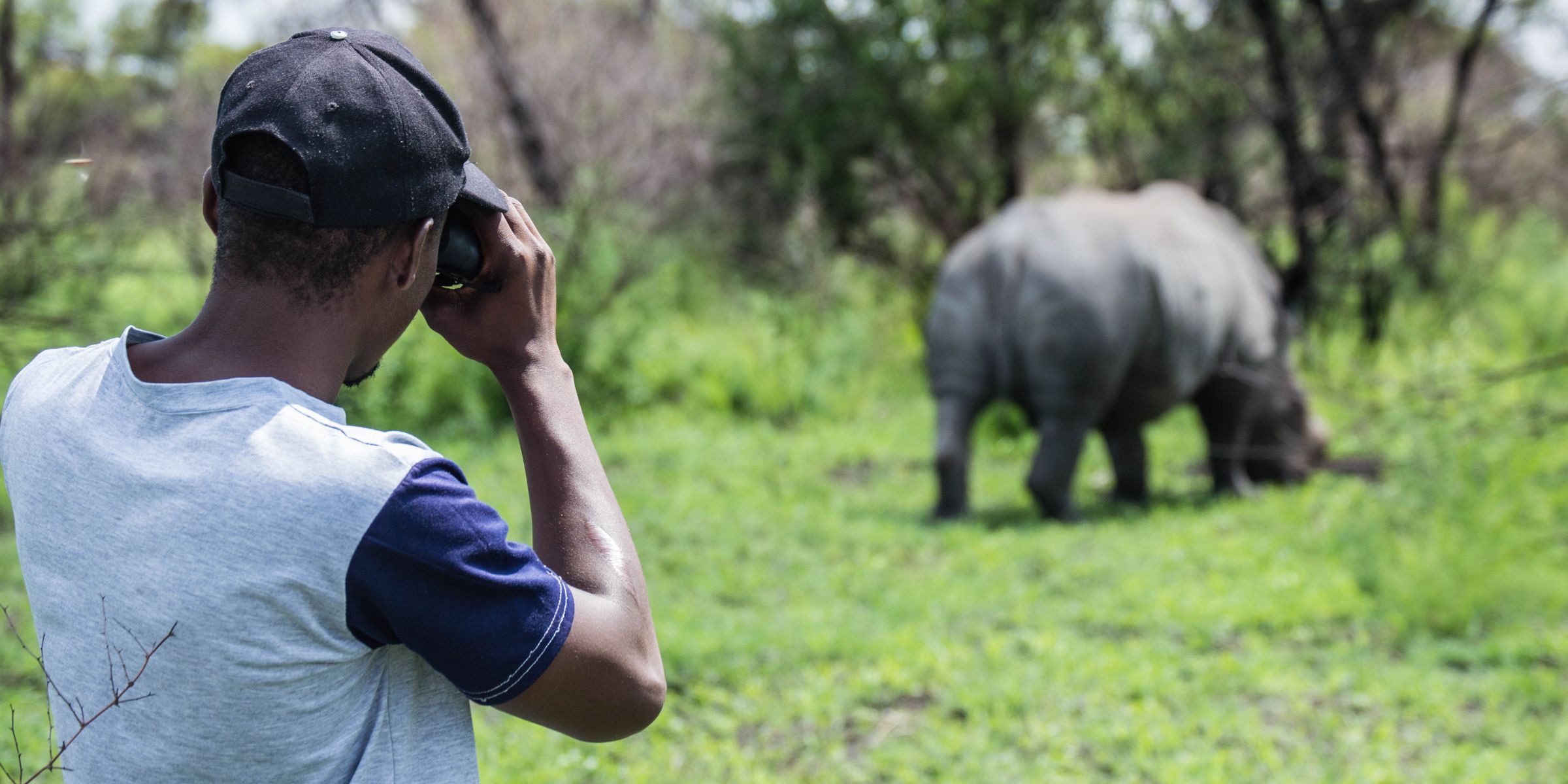
Rhino tracking is on foot. Not from a vehicle with a guide pointing, but walking behind a tracker who is reading ground, working out how old the sign is and where the animal went. It takes as long as it takes. In the dry season it's often quick. In the green season it can be two hours and you earn it.
The time of day is set by your guide the evening before, around park conditions and where the animals were last seen. Ask at dinner and you'll know before you go to bed. First light is the best of it when the timing allows.

Come back for a long breakfast. Do nothing until the middle of the afternoon.
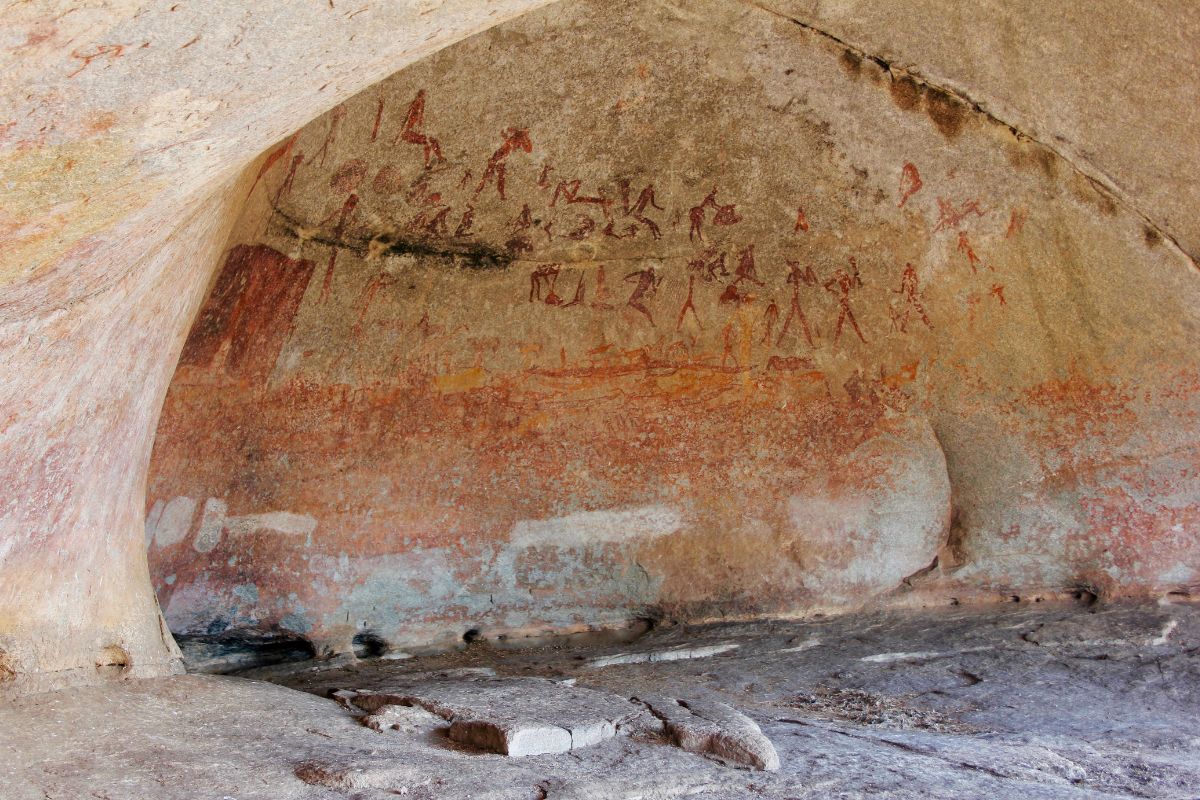
Then the caves. The Matobo holds one of the densest concentrations of rock art anywhere on earth, painted over roughly 13,000 years, and the tradition ran on until about 1,500 years ago. A guide is not optional here. Without one you're looking at marks on a wall. With one you're looking at eland, trance dance, and the formlings that occur here and almost nowhere else.
Give it two hours. Standing still in a cave is the point of it.

Day three: the one you choose
The last morning should fit the people, not the itinerary. Four things work and none of them takes the whole day.
- A kopje walk
- Ninety minutes on the granite behind the lodge with a guide. The best of the four if you want one last physical sense of the place.
- The village
- A morning with a local guide in a working Ndebele village near the park. It is not a performance and guests tend not to say much on the drive back.
- Birding at first light
- For anyone who cares. The Verreaux's eagles are resident and the Matobo holds the highest density of them anywhere in the world.
- World's View
- If you skipped it on day one, or if you want it again. Malindidzimu was sacred long before Rhodes was buried on it, and both of those things are still true up there.
Then breakfast, pack, and go. A late-morning departure gets you to Bulawayo for lunch and to the airport with time in hand.
If two nights is all you have
Then do this. Arrive early enough to get World's View on the first evening, and put rhino tracking and one cave on the full day. Accept that the middle of that day will be busier than it should be.
It works. I would still rather you came for three, and if your dates are tight in July or August you may not get the choice anyway, because those are the nights that go first.
What three nights actually costs
Per person per night, sharing a chalet, from the 2026 rate card.
- Matobo Experience
- US$335. All meals, a guided activity every day, and park entry included. Two people for three nights comes to US$2,010, which is the number most guests on this itinerary end up at.
- Dinner, Bed and Breakfast
- US$184. Cheaper on paper, then you add each activity and the park fees on top. It works out close on three nights and is better if you want lazy days.
- Park entry
- US$18 per international adult per day, lower for SADC and Zimbabwean residents. Included in the Matobo Experience and All-Inclusive plans.
- Rhodes' Grave
- US$10 per international adult. A separate National Monument fee, not part of park entry. Cash at the gate.
- Rhino tracking
- Quoted with your stay. The conservation fee is charged separately whichever plan you are on, which is why it is not folded into a headline price.