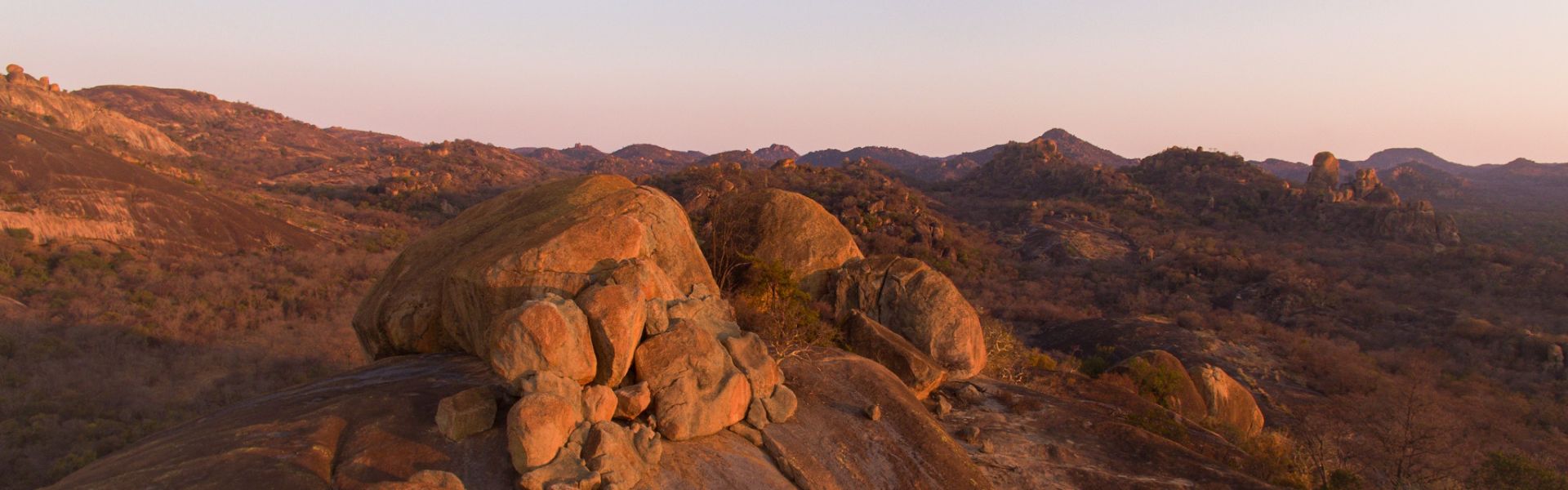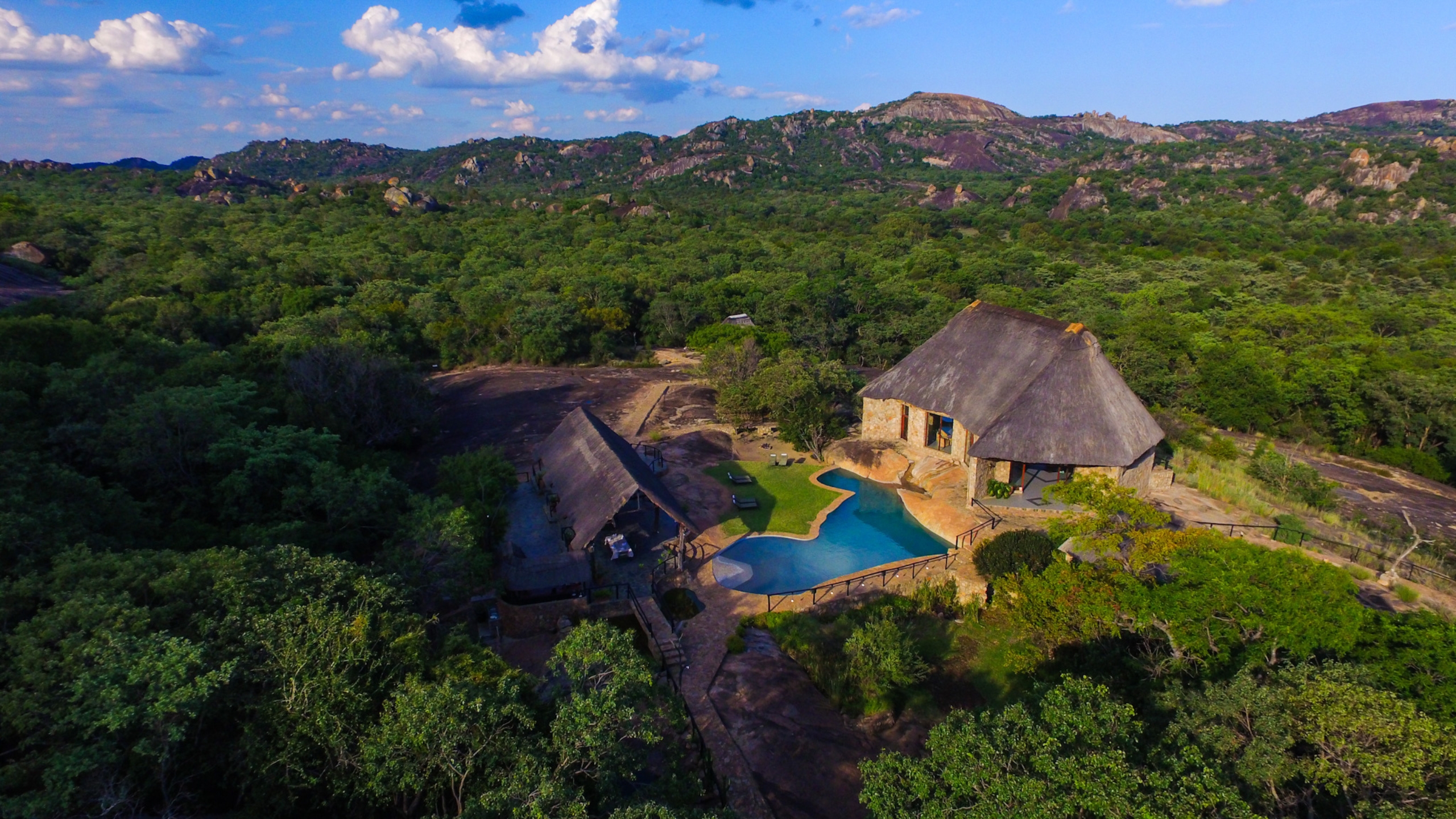
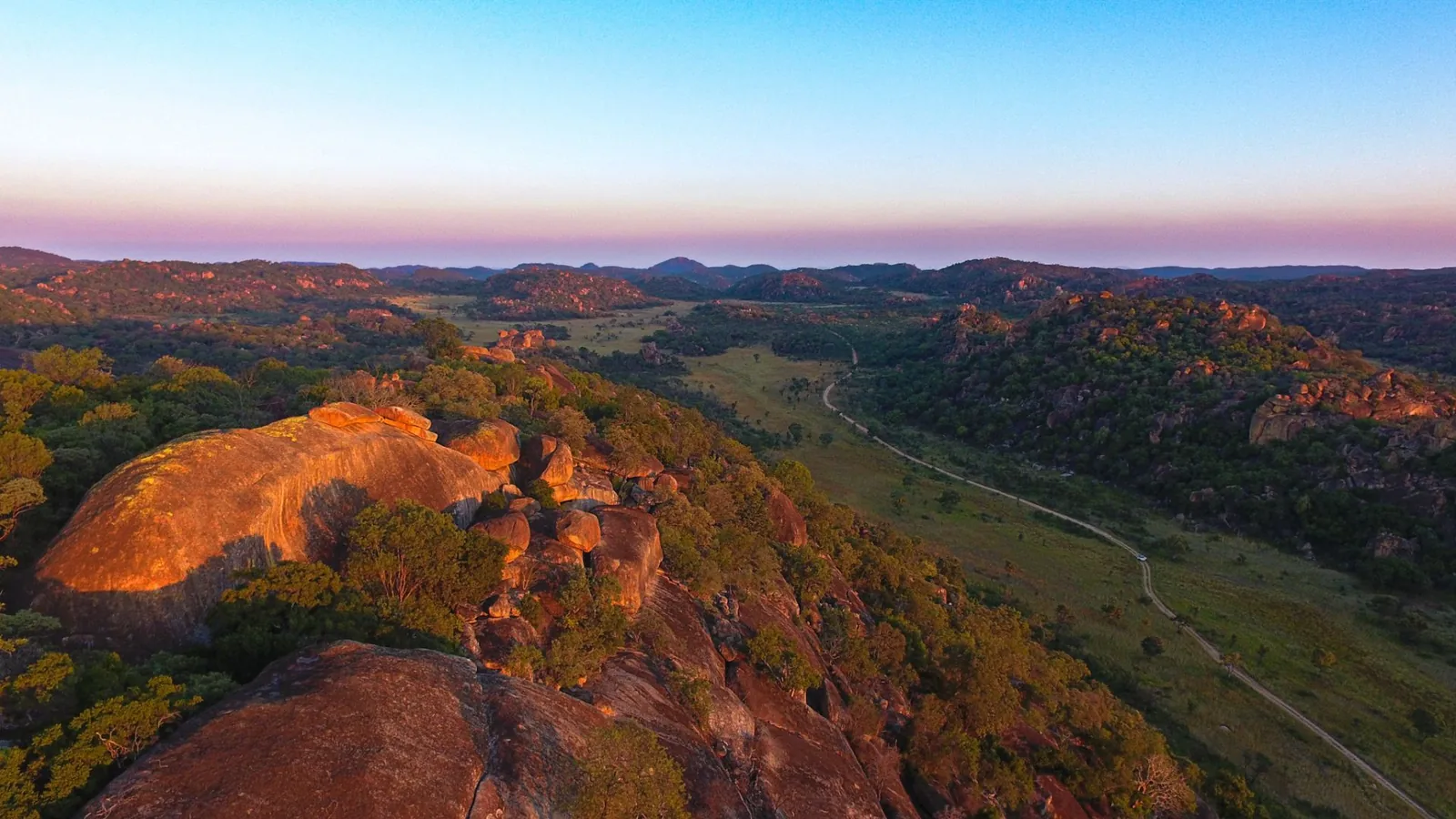
Panoramic view of Matobo Hills Zimbabwe with ancient granite kopjes against a dramatic sky at golden hour
Matobo National Park · Zimbabwe

When to Visit Matobo Hills

A month-by-month guide to Zimbabwe's oldest landscape — from a fifth-generation local who lives here year-round.

Scroll to explore

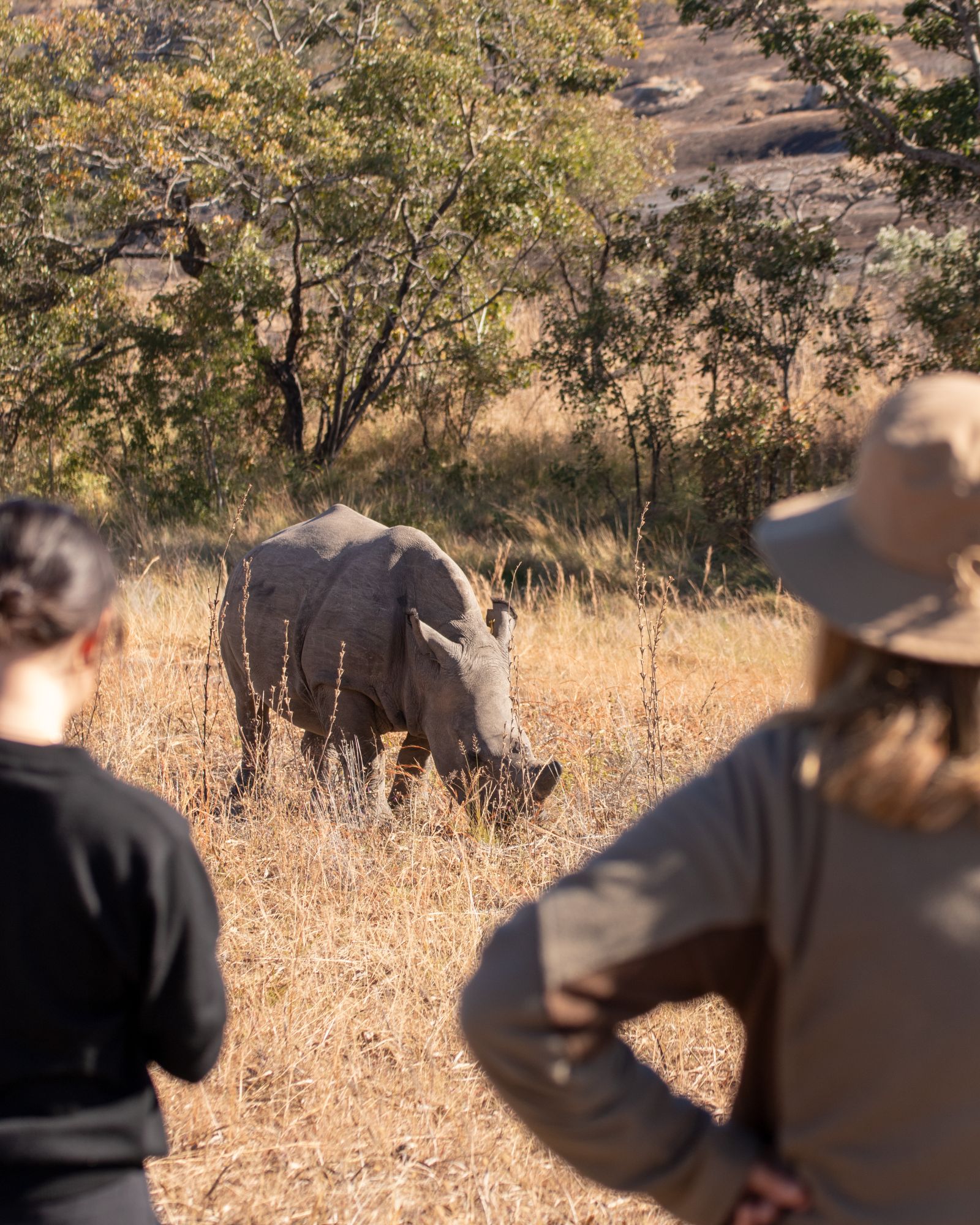
People ask me when the best time to visit Matobo is. I understand the question. You're planning a trip to a country most of your friends can't find on a map, and you want to get it right. But here's the thing — I live here. I wake up in these hills every morning. I see them in the frost of a July dawn and the electric green of a January storm. I've watched rhinos graze through every season this landscape has to offer.

There is no bad month. There is only the right month for you. This guide is everything I know about these hills across twelve months, written from the lodge veranda, not from a desk in London.

Josh Elliott · Managing Director, Matobo Hills Lodge Josh Elliott with family at Matobo Hills Lodge Zimbabwe
The Short Answer

When Should You Come?

Best for Wildlife

May – October

Dry season. Short grass, clear sight lines, animals at water. Rhino tracking at its most reliable. Classic safari weather with cool mornings and warm, sunny days.

Best for Photography & Birding

November – April

Green season. Dramatic thunderstorm skies, lush landscapes, 300+ bird species including migrants. Baby animals, fewer guests, lower rates. Photographers love this light.

Best Overall

Year-Round

Matobo works 365 days a year. Seriously. Rhino tracking, rock art caves, and game drives operate every day regardless of season. This is not a park that shuts down.

Month by Month

Your Complete Guide to Every Month

Real climate data. Real conditions. Written by someone who's here for all of them.

January Good
Green Season · Heart of the Rains
29°C / 19°C 154mm · 15 rain days

The wettest month, and the most dramatic. Afternoon thunderstorms roll in over the kopjes like a private light show — thirty minutes of theatre, then blue sky again. The landscape is electric green. Migrant birds are everywhere. You'll often have the park entirely to yourself. Rhino tracking still runs daily — guides simply adjust the morning timing around the weather.

Migrant Birds Storm Photography Lowest Rates
February Good
Green Season · Lush & Alive
29°C / 19°C 135mm · 13 rain days

Slightly drier than January but still gloriously green. Wildflowers appear on the granite slopes. Baby impalas are dropping — wobbly legs and oversized ears. The light between storms is soft and golden, beloved by photographers. Still firmly off-peak, meaning lower rates and no crowds at the rock art caves.

Wildflowers Baby Animals Photography Light
March Great
Green Season · Rains Easing
29°C / 18°C 68mm · 9 rain days

The rains pull back. Half as much rainfall as January but the bush is still at peak lushness. Fewer storms, more consistent sunshine. One of the most underrated months — you get the green-season beauty without the heaviest rain. Walking conditions are comfortable and the landscape photographs beautifully. Excellent value.

Best Value Lush Landscape Fewer Storms
April Great
Transition · The Turn
26°C / 16°C 37mm · 5 rain days

The turn. Rains taper off, temperatures cool, the air sharpens. The landscape transitions from green to golden — beautiful shifting light that changes the colour of the kopjes daily. Comfortable walking temperatures without the midwinter chill. One of my personal favourite months. The bush feels like it's exhaling.

Comfortable Temps Golden Light Transition Beauty
May Peak
Dry Season Begins
25°C / 13°C 5mm · 1 rain day

Dry season begins and everything changes. Clear skies, zero rain, cool mornings. The grass starts dropping and the bush opens up — you can see further every week. Wildlife visibility improves rapidly as vegetation thins. Perfect rhino tracking conditions begin in earnest. The stars at night are extraordinary without a cloud in the sky.

Clear Skies Rhino Tracking Stargazing
June Peak
Dry Season · Midwinter
22°C / 10°C 2mm · 0 rain days

Midwinter. Cold mornings — genuinely cold, 10°C at dawn — but they warm into perfect sunny days. Crystal-clear visibility across the park. This is when rhino tracking is at its absolute best: short grass, long sight lines, and calm animals. Pack a fleece for the dawn walk and sunscreen for 10am. Zero rain. Not a cloud. Just blue sky and granite.

Best Tracking Zero Rain Crystal Visibility
July Peak
Dry Season · Coldest Month
22°C / 10°C 4mm · 1 rain day

The coldest month on paper but the days are glorious. Same crystal conditions as June — this is when the pros and the serious safari-goers visit. Animals are concentrated at permanent water. The bush is sparse and open. Leopard sightings peak because there's simply nowhere to hide. European school holidays bring families, so book early for July.

Leopard Sightings Family Holidays Book Early
August Peak
Dry Season · Warming Up
26°C / 12°C 2mm · 0 rain days

Still bone-dry but the mornings warm up — less biting cold at dawn, more comfortable for early tracking walks. Excellent wildlife viewing continues. The jacarandas start blooming in Bulawayo, so the drive down is beautiful. One of the best all-round months: warm days, no rain, sparse bush, relaxed animals, and the landscape has a stark, sculptural beauty.

Warmer Mornings Jacaranda Season Excellent Game
September Great
Dry Season · Hot & Dry
30°C / 16°C 2mm · 0 rain days

Hot. The sun has real weight now. But the game viewing is superb — animals cluster at dwindling water sources and the bush is at its most stripped-back. The landscape takes on a stark, almost lunar quality: bare rock, dry grass, bone-white sky. Start your tracking walks early and be back by 10am. Afternoons are for the pool and a cold drink on the veranda.

Peak Game Viewing Hot Days Early Mornings
October Good
Transition · The Build-Up
32°C / 18°C 72mm · 11 rain days

The hottest month and the most unpredictable. The first rains arrive late October — when they break, the land transforms almost overnight. Before the rain: furnace heat, dust, and dramatic skies building to nothing. After: the smell of wet earth, green shoots through cracked ground, and a sense of renewal that's almost spiritual. This is a month for people who like their landscapes raw.

First Rains Dramatic Skies Raw Landscape
November Good
Green Season · The Awakening
32°C / 20°C 29mm · 5 rain days

The awakening. Migrant birds arrive from Europe and Central Asia — bee-eaters, cuckoos, storks, Wahlberg's eagles. The bush flushes green in patches. Afternoons are hot and humid with sporadic thunderstorms. The light is soft and dramatic between the clouds. November is a month of contrasts: bare patches next to green shoots, blue sky next to storm clouds.

Migrant Birds Arrive Green Shoots Lower Rates
December Good
Green Season · Full Rains
30°C / 20°C 200mm · 14 rain days

Full green season. Dramatic afternoon thunderstorms — short, intense, spectacular. The landscape is lush and impossibly green. Everything is alive. Festive season brings some domestic visitors but the park is still far quieter than Hwange or Vic Falls. Green-season rates apply. If you want Matobo at its most theatrical, this is it — and you'll pay half the peak-season price.

Festive Season Theatrical Storms Half-Price
Dry season landscape in Matobo Hills Zimbabwe with golden grass and ancient granite kopjes under clear blue sky
Two Seasons, Two Personalities

Dry Season vs Green Season

Same hills. Completely different experience.

Wildlife gathering near water during dry season in Matobo National Park Zimbabwe with granite hills in background
May – October

The Dry Season

Classic safari weather. Cool mornings, warm sunny days, zero rain. The bush strips back and visibility is extraordinary — you can see animals from hundreds of metres. Rhinos concentrate at water sources, making them easier to locate. Leopard sightings peak because the stripped vegetation leaves nowhere to hide. Clear, star-filled nights with not a cloud in the sky. This is the season most first-time visitors choose, and for good reason.

Green season in Matobo Hills Zimbabwe with lush vegetation dramatic storm clouds and ancient granite formations
November – April

The Green Season

The dramatic season. Afternoon thunderstorms roll in over the kopjes like cinematic set pieces — thirty minutes of theatre, then blue sky. The landscape transforms from brown to electric green. Migrant birds arrive — bee-eaters, cuckoos, storks — joining the resident Verreaux's eagles. Baby animals everywhere. Fewer guests means the park feels like yours alone. Photographers prefer this season for the light, the clouds, and the contrast. Lower rates make it exceptional value.

The Matobo advantage: Unlike low-lying parks where green season means flooded roads and inaccessible areas, Matobo sits at 1,300m elevation on ancient granite bedrock. The roads drain within hours of rain, the walking terrain stays solid, and all activities — rhino tracking, rock art caves, game drives — operate year-round. This is a park that doesn't shut down.

Rainy green season in Matobo Hills Zimbabwe with dramatic storm clouds over lush granite landscape
What to Do & When

Activities by Season

Every activity at Matobo runs year-round. But some seasons make certain experiences shine.

Activity Dry Season
May – Oct
Green Season
Nov – Apr
Rhino Tracking on Foot
Guided walking safari in the IPZ
Excellent
Short grass, clear approaches
Great
Lusher backdrop, still runs daily
San Rock Art Caves
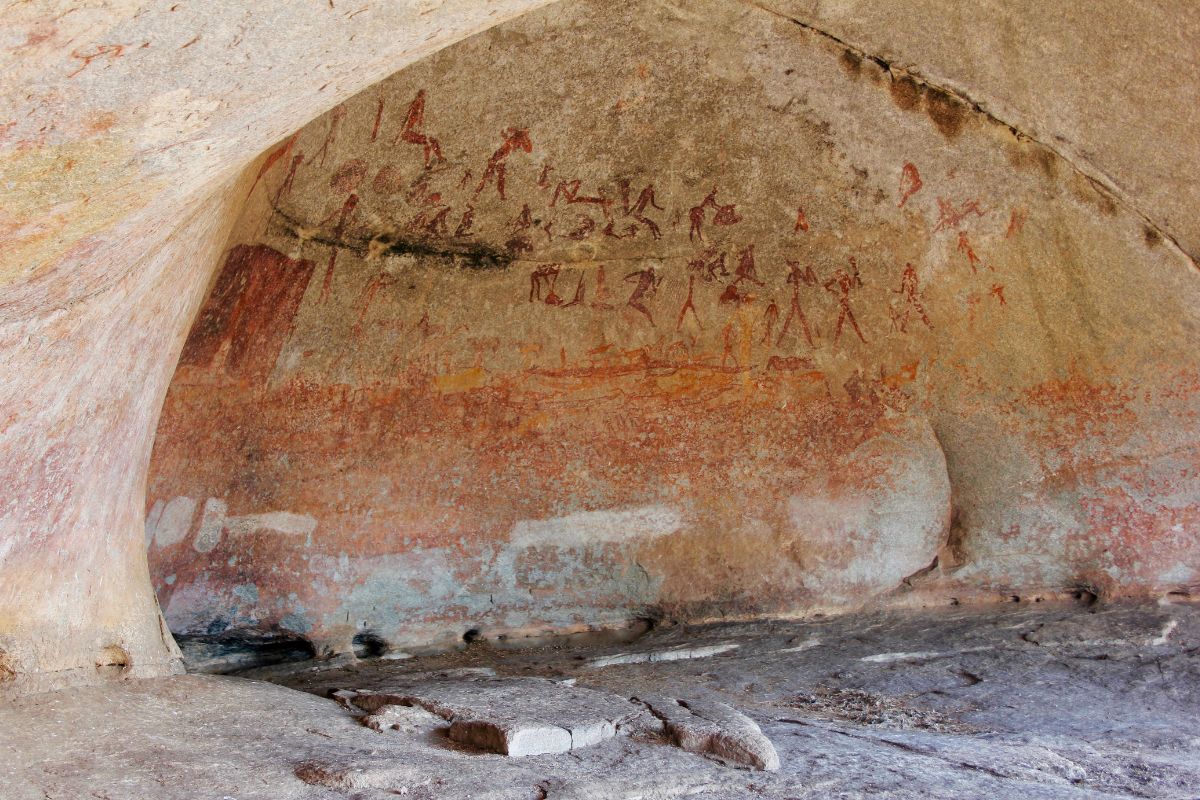
13,000-year-old cave paintings
Excellent
Caves are sheltered, always accessible
Excellent
Rain doesn't matter underground
Wildlife Game Drives
Leopard, zebra, giraffe, sable, eagles
Excellent
Animals at water, thin bush
Great
Harder to spot, but baby animals
Birding
300+ species including Verreaux's eagle
Great
Raptors, resident species
Excellent
Migrants arrive, 300+ species
Photography
Landscapes, wildlife, astro
Great
Clear light, wildlife shots
Excellent
Dramatic skies, green contrasts
Walking & Hiking
Guided kopje walks and trails
Excellent
Cool mornings, comfortable
Great
Warm, but stunning scenery
Verreaux's eagle flying into storm clouds in Matobo Hills Zimbabwe
Why Matobo Is Different

Not Like Other Parks

Elevation, geology, and geography change everything about when and how you visit.

The Elevation Advantage

Matobo sits at 1,300 metres on the edge of the highveld. That means cooler temperatures year-round than Hwange, Mana Pools, or the Lowveld conservancies. While those parks hit 40°C in October, Matobo peaks at 32°C. The winters are crisper but the summers are more bearable. There's minimal malaria risk during the dry season at this altitude, and even in the wet season the risk is significantly lower than in the Zambezi Valley or the south-east lowveld.

The granite bedrock changes everything about access. Where other parks close roads after rain, Matobo's ancient rock drains within hours. There is no season where the park becomes inaccessible. No washed-out bridges, no impassable mud. The terrain is solid two-billion-year-old granite, and it doesn't care about the weather.

Ancient balancing granite formations along a walking trail in Matobo National Park Zimbabwe UNESCO World Heritage Site

Year-Round Rhino, Year-Round Rock Art

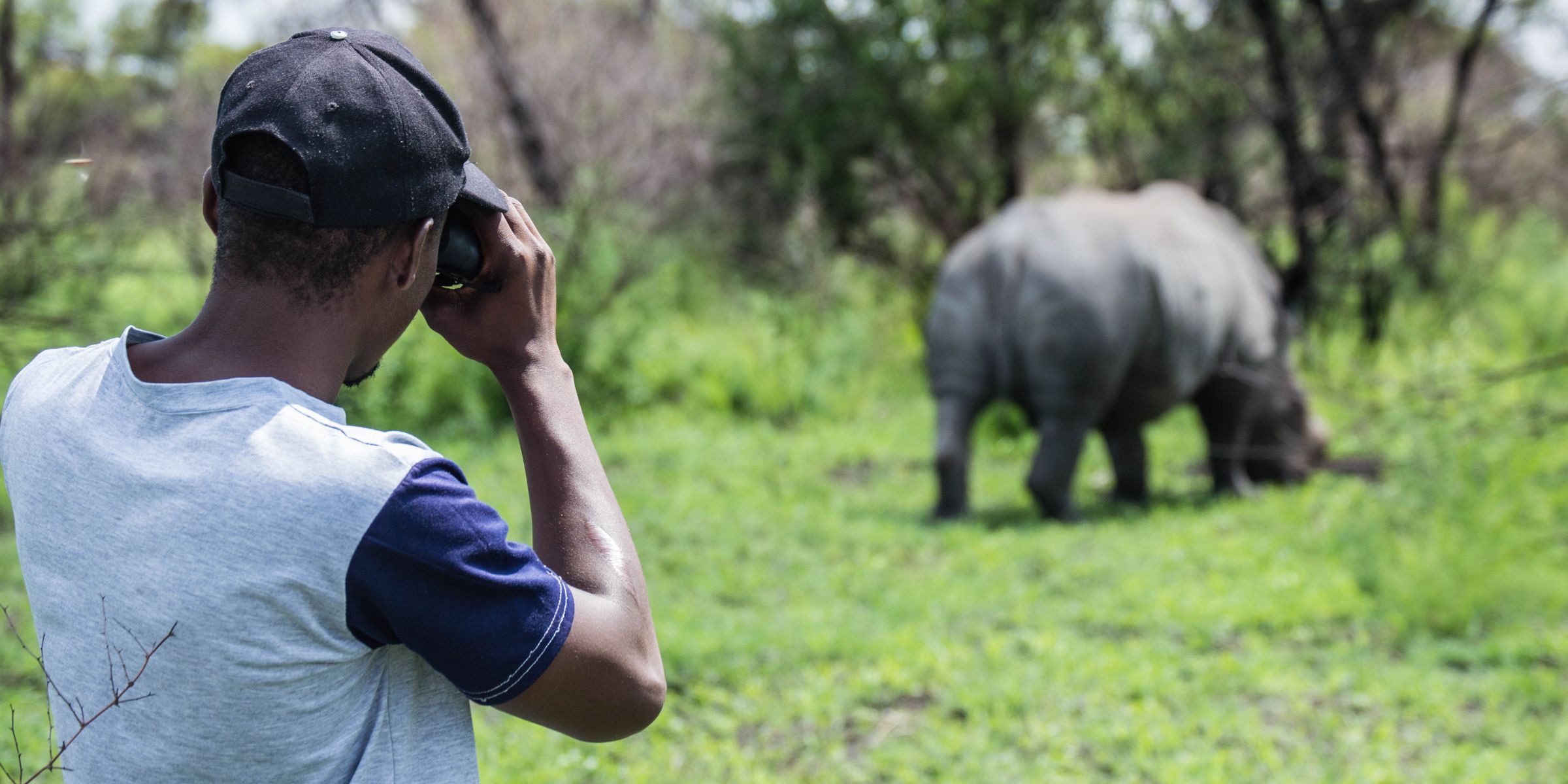
The two headline experiences — rhino tracking on foot and San rock art caves — operate every single day, regardless of season. Rain doesn't stop a cave visit. A thunderstorm delays a tracking walk by an hour, not a day. The guides have been working these hills for decades and they adapt the route and timing to conditions in real time.

This is what makes Matobo fundamentally different from parks where green season means half the activities shut down and half the lodges close. Come in July for the classic dry-season safari. Come in February for dramatic skies and the park to yourself. Either way, you're tracking rhino on foot and standing in caves that were painted thirteen thousand years ago. The experience is always there. Only the backdrop changes.

Visitors viewing ancient San rock art paintings inside a cave in Matobo Hills Zimbabwe dating back 13000 years
1,320m
Elevation above sea level
(cooler than lowveld parks)
22–32°C
Daytime temperature range
across the year
0–15
Rainy days per month
(June = 0, December = 15)
365
Days per year the lodge
and activities operate
Plan Your Visit

Practical Information

Everything you need to know before you arrive, season by season.

Dry Season Packing (May–Oct)

Layers are essential. Mornings are genuinely cold — 8 to 10°C at dawn — but days warm to 22–26°C by mid-morning. Bring a fleece or warm jacket for dawn activities, light long sleeves for daytime, and closed walking shoes with ankle support. Hat and sunscreen are non-negotiable — the high-altitude sun is deceptive even in winter.

Green Season Packing (Nov–Apr)

Light, breathable clothing in neutral colours. A packable rain jacket is essential — afternoon storms come fast but pass quickly. Insect repellent for dusk. A waterproof bag or dry sack for camera gear. Sunscreen — UV is strong even on overcast days at this altitude. Quick-dry fabrics are your friend.

Health & Safety

Matobo sits at 1,300m — malaria risk is very low compared to low-lying parks, and negligible in the dry season. Consult your doctor before travel. No vaccinations are required for entry to Zimbabwe, but Hepatitis A and typhoid are recommended. Tap water at the lodge is filtered and safe. The nearest hospital is in Bulawayo, 45 minutes away.

Getting to Matobo

Matobo Hills Lodge is 45 minutes south of Bulawayo on a tar road. Bulawayo has direct flights from Johannesburg (1.5 hours) and is connected to Victoria Falls by road (5 hours) or domestic flight (1 hour). The lodge arranges road transfers from Bulawayo, or you can self-drive — directions are straightforward via the Police Gate entrance.

Questions

Frequently Asked Questions

June, July, and August are the most popular months — cool, dry, and ideal for wildlife viewing with excellent rhino tracking conditions. However, Matobo is genuinely a year-round destination. March and April offer superb value with beautiful green-to-gold transition landscapes, while September delivers the best raw game viewing. The answer depends on what matters most to you: weather comfort, wildlife density, photography, birding, or value for money.

Yes — Matobo is open and fully operational 365 days a year, including throughout the green season (November to April). Unlike low-lying parks where rain can flood roads and restrict access, Matobo sits at 1,300m on granite bedrock that drains fast. All activities — rhino tracking, rock art caves, game drives, and hiking — run daily. The lodge does not close for any season.

July is the coldest month. Expect daytime highs around 22°C with bright sunshine and no rain at all. Mornings are cold — around 10°C at dawn — so you'll need warm layers for early rhino tracking walks. By mid-morning it warms up to a comfortable temperature. Skies are crystal clear, there's zero humidity, and the bush is dry and open with excellent visibility.

Absolutely. Rhino tracking walks operate every day, year-round. In the green season the grass is taller, which can make initial spotting slightly harder, but the guides adapt their approach — using higher ground and different vantage points. The success rate remains very high. Many guides actually enjoy green-season tracking because the rain softens the ground, making fresh spoor easier to read.

Matobo is in a low-risk malaria zone due to its 1,300m elevation. During the dry season (May to October), the risk is negligible. In the wet season (November to April), there is a small risk. We recommend consulting your doctor or a travel health clinic before your trip. Many guests choose to take prophylaxis as a precaution, particularly during the green season, but this is a personal medical decision.

October is the hottest month, with daytime temperatures reaching 32°C and occasionally higher. It's the end of the dry season and the landscape is at its most parched. However, the first rains usually arrive in late October, bringing dramatic relief. If you visit in October, plan activities for early morning and late afternoon, and enjoy the pool during the heat of the day.

Neutral-coloured clothing (khaki, olive, brown, grey) in layers. Closed walking shoes with ankle support. A warm fleece or jacket for winter mornings (May to August). A rain jacket for green season visits. Hat, sunscreen, and sunglasses year-round — the UV at altitude is strong. Binoculars if you have them. A camera with a zoom lens. The lodge provides water bottles, insect repellent, and can lend binoculars.

Exceptional. Matobo has over 300 recorded bird species, including the highest concentration of Verreaux's (black) eagles in the world — they nest on the granite kopjes. The dry season is best for raptors and resident species. The green season (November to April) is outstanding, with Palearctic and intra-African migrants swelling the bird count dramatically. Bee-eaters, cuckoos, storks, and Wahlberg's eagles are among the seasonal visitors.

They're completely different experiences and ideally you'd include both. Hwange is a vast, classic big-game park — herds of elephants, wild dogs, lions, and wide-open savanna. Matobo is intimate, ancient, and unique: on-foot rhino tracking, 13,000-year-old San rock art, leopards in the granite kopjes, and a UNESCO World Heritage landscape of two-billion-year-old balancing rocks. Hwange is about scale and spectacle. Matobo is about depth and connection. Many Zimbabwe itineraries combine both — they're about 4 hours apart by road.

Yes. Matobo Hills Lodge is just 45 minutes from Bulawayo and offers full-day packages that include rhino tracking on foot, San rock art caves, World's View, and a two-course bush lunch. However, we strongly recommend staying at least two nights — the dawn rhino walks, evening game drives, and starlit dinners are experiences you can only have as an overnight guest, and the pace of the park rewards those who slow down.

Sunset over Matobo Hills Lodge Zimbabwe with golden light illuminating ancient granite kopjes

Every Season Has a Story

Dry season for the classic safari. Green season for the drama. Either way — rhino on foot, ancient rock art, and the oldest hills on Earth. Pick your month. We'll be here.