The question arrives in almost every enquiry, usually in the first line. When should we come.
The answer most lodges give is May to October, because that's the dry season and the dry season is easier to sell. It isn't wrong. It's just not the whole answer, and taken as gospel it rules out four months that are the best-looking of the year.
Here's what actually changes.
Why there's no closed season
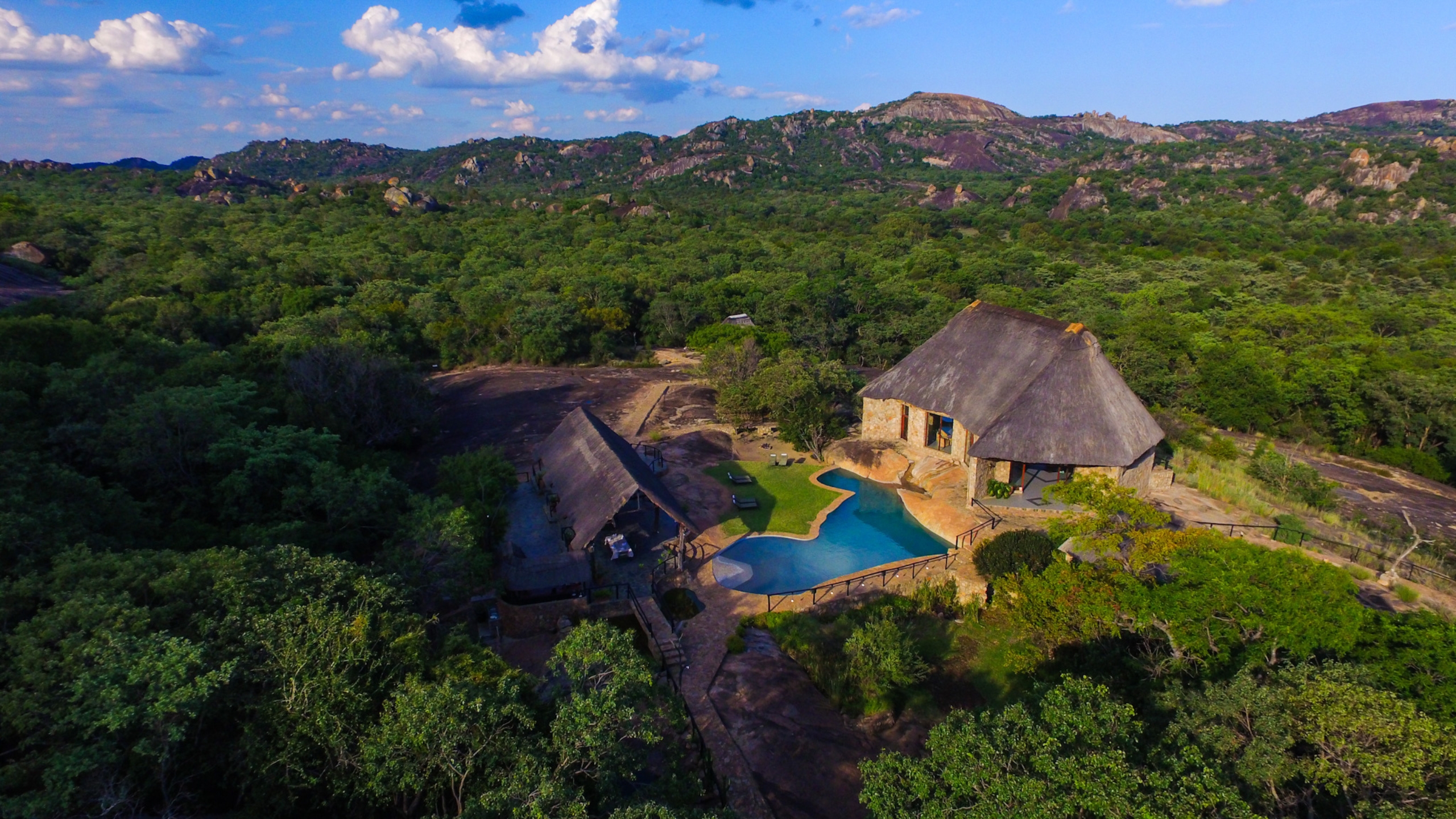
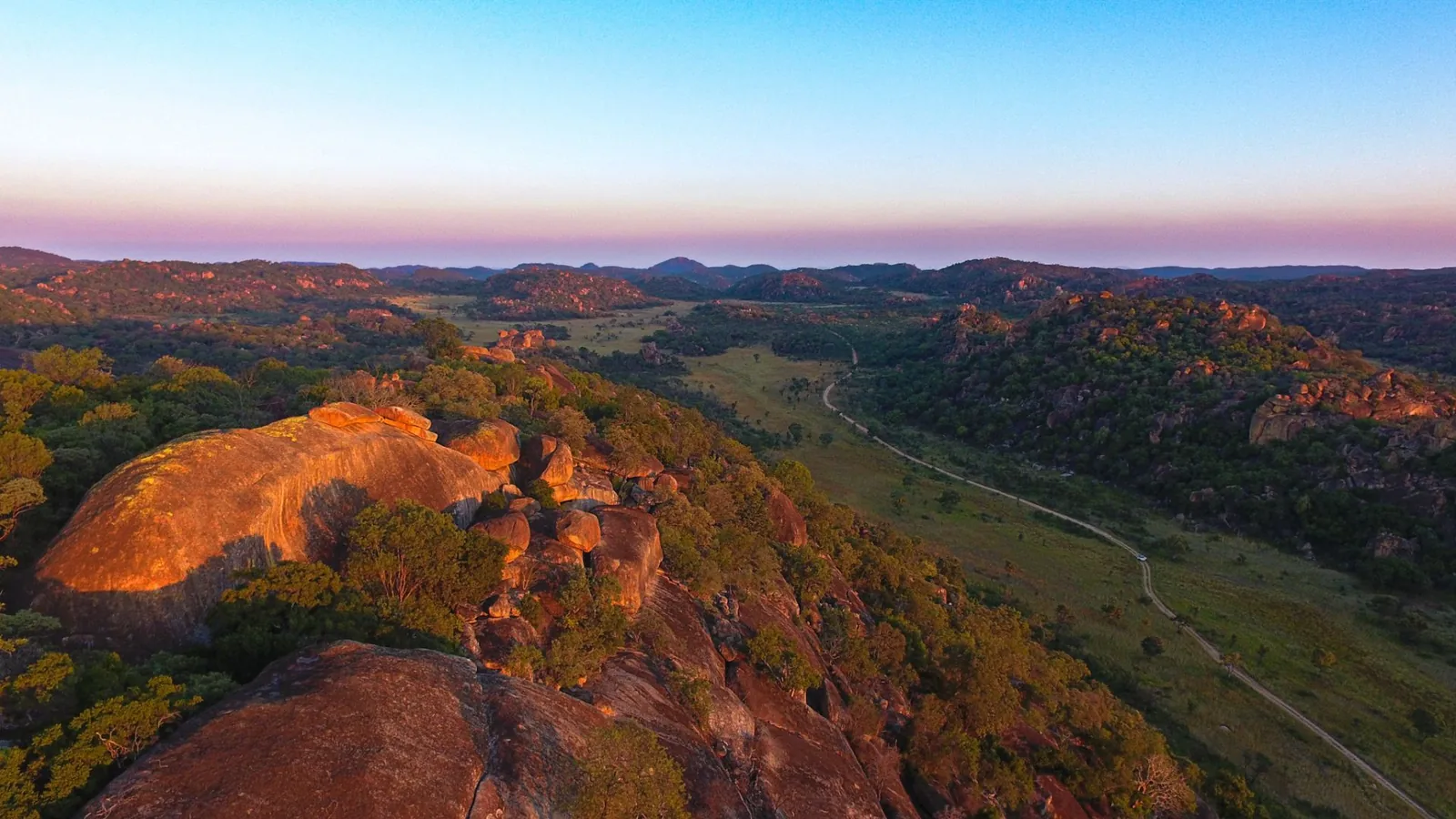
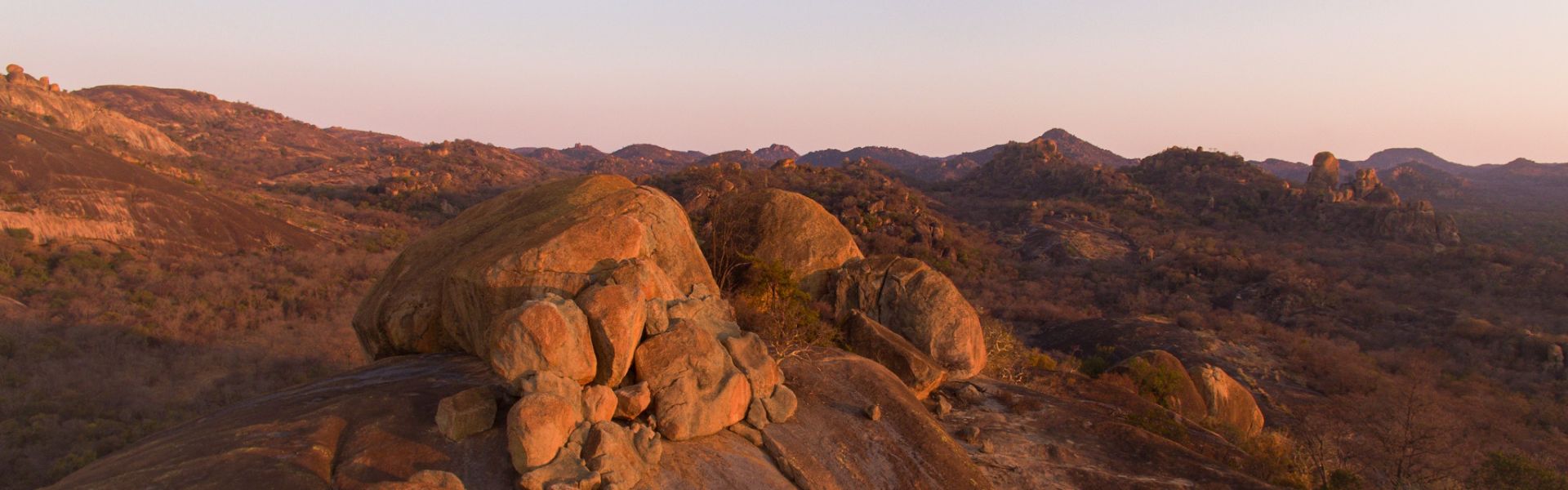
The Matobo sits on granite 2.6 billion years old, at about 1,400 metres. Both of those matter more than the rainfall figure does.
The granite means the water leaves. In a park built on black cotton soil or floodplain, a wet January shuts roads for weeks and the grass grows over everything. Here the rain lands on bare rock and runs off it into the valleys. Roads drain in hours, not weeks.
The altitude keeps the summer moderate. January in the Zambezi Valley is punishing. January here runs about 29°C by day, with a storm in the afternoon and a cool night behind it.
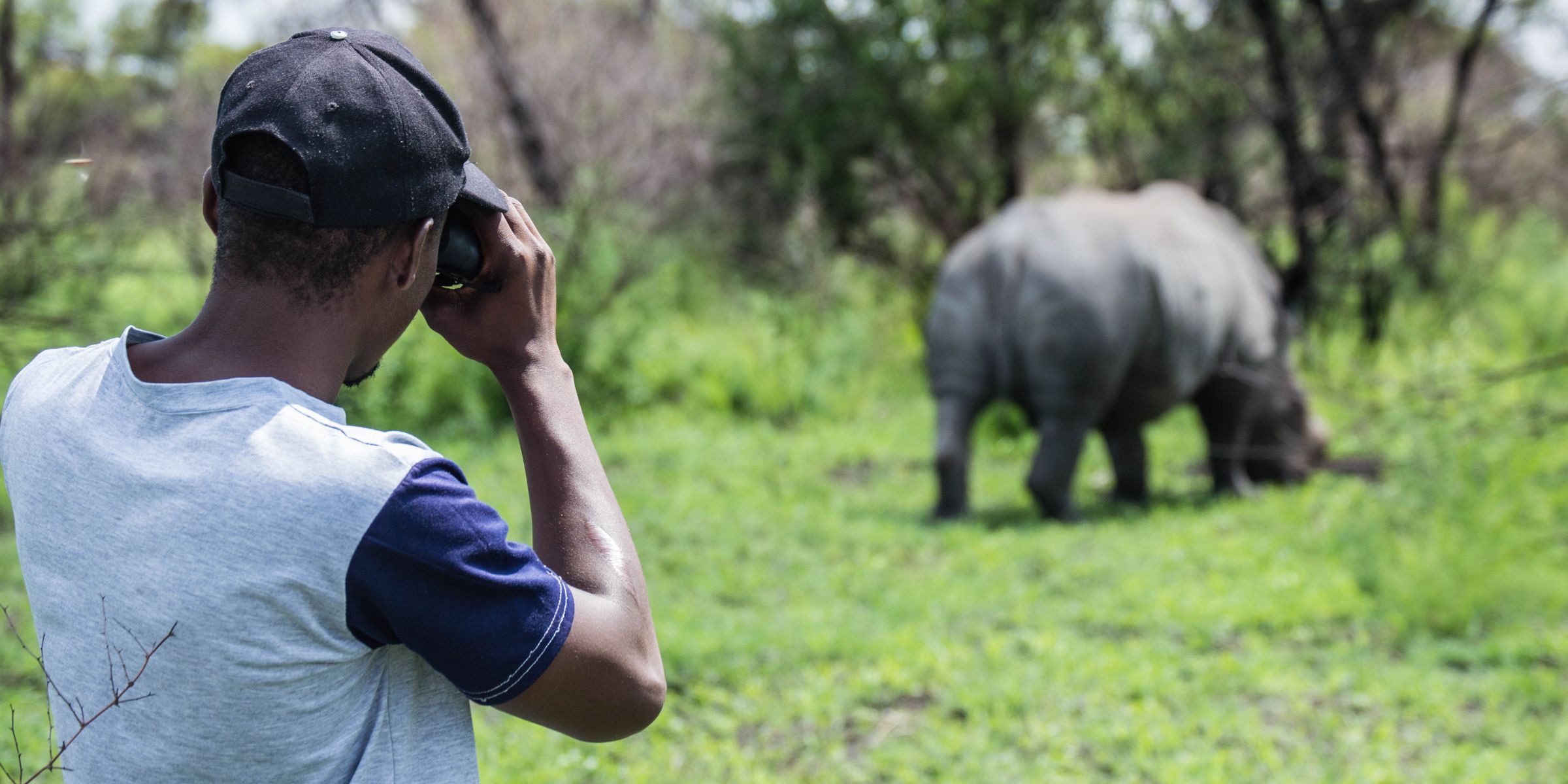
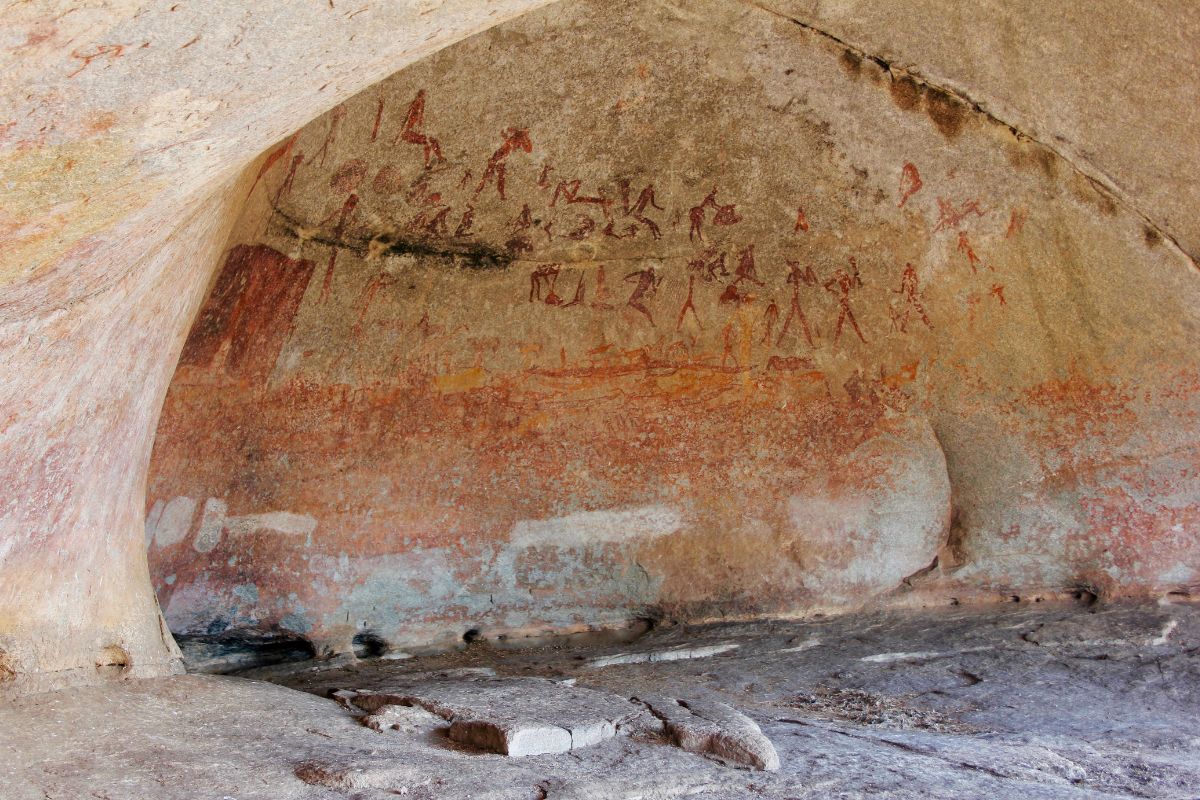
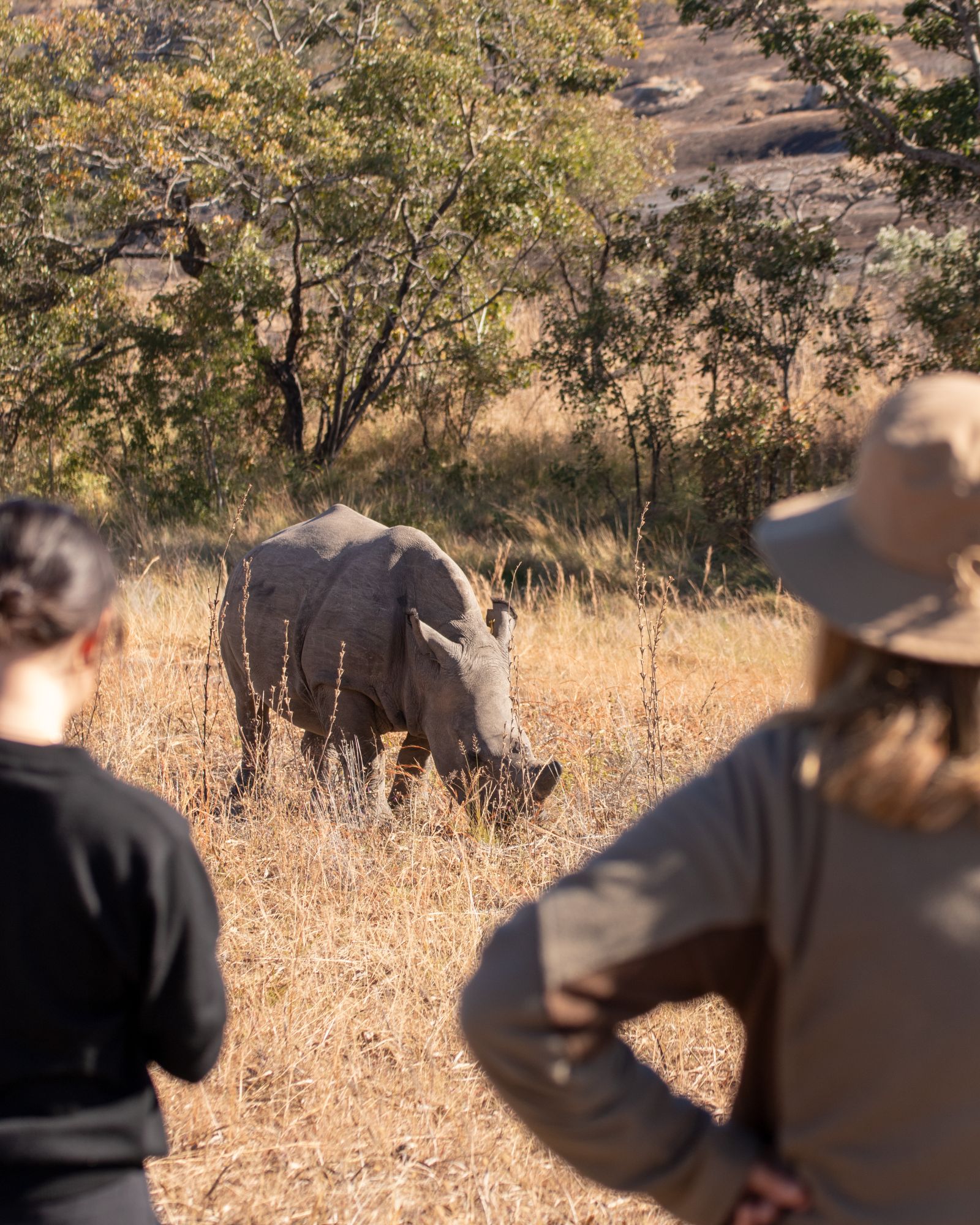
And the two things people come for are the two least weather-dependent activities in African safari. Rock art is in caves, which are sheltered by definition. Rhino tracking is done on foot behind a tracker, so taller grass changes the route and the length of the walk rather than cancelling it.
So the park stays open, the lodge stays open, and every month is a real option. What follows is what each one costs you and what it gives back.
The dry season, May to October
This is the classic window and it earns the reputation.
By June the grass is down, the leaves are off much of the bush, and you can see a long way between the kopjes. What water is left holds the animals. On foot that combination is the difference between a forty-minute walk and a two-hour one.
It's also the coldest part of the year, and this is where guests get caught out.
At 1,400 metres a June dawn sits around 8°C, and in the valleys below the lodge it drops further. The vehicle leaves at quarter past six with the sun not properly up. People arrive from a European summer, pack for Africa, and spend the first morning wrapped in a lodge blanket. Bring one proper fleece and something for your ears. By ten it's 22°C and you'll have taken all of it off again.
July and August are the school-holiday months and they fill first. If a school term fixes your dates, book them a long way out.
The green season, November to April
Everything reverses.
Storms build through the middle of the day and break hard for an hour. The granite goes dark and wet and the colour comes up out of it. Msasa flushes red and copper before it settles into green. The valleys fill. There are fewer vehicles in the park and fewer people at the caves.
This is when the hills look like the photographs. If you've seen an image of the Matobo that made you want to come, there's a fair chance it was taken between November and April.
What you give up is easy visibility. The grass is high, the bush is thick, and nothing has to walk to water because the water is everywhere. Tracking still runs and still works. A green-season walk is simply longer and less certain than a June one.
Most guests who've done both prefer the green season for how it looked and the dry season for what they saw. That's the whole trade, and it's a fair one.

Month by month
Daytime high first, dawn low second, both rounded. Rain is the pattern rather than a promise.
January to March
- January
- 29°C and 17°C, with the heaviest rain of the year. Full green, storm light in the afternoons, and almost nobody else in the park.
- February
- The same weather and the same emptiness. Flowering slopes, wet granite, the lowest demand on the calendar.
- March
- The rain eases and the hills stay green. My own pick of the green season, and the best value month of the twelve.
April to June
- April
- 27°C and 14°C. The rain tapers, the landscape starts turning from green to gold, and the walking gets comfortable. Still cheap.
- May
- The dry season opens. Clear skies, grass dropping week by week, mornings getting cold. A strong all-round month.
- June
- 23°C and about 9°C. Midwinter. The best visibility of the year and the coldest starts of the year, in the same month.
July to September
- July
- The coldest month, around 8°C before sunrise and 22°C by mid-morning. Excellent tracking. School holidays, so it books out first.
- August
- 26°C and 10°C. Warmer mornings, open bush, long afternoons. If you want one month with no real drawback, it's this one.
- September
- 30°C and 14°C. Hot and very open. Start early, sit out the middle of the day, go back out at four.
October to December
- October
- The hottest month at 31°C, dry and dusty, with the first storms possible at the end of it. The hardest month to be out in, and the easiest month to find animals at water.
- November
- 30°C and 17°C. The storms break, the migrants arrive, green returns in patches. Good value, and the sky is worth watching every afternoon.
- December
- Warm, green and full. Festive dates need booking ahead. Even then it's emptier than the big Zimbabwean parks in the same week.
If you only care about one thing
- Rhino on foot
- May to September. Short grass, cool walking, and animals using water you can predict.
- Photographs
- November to April for the sky and the colour. March and April if you want the green and a comfortable temperature at the same time.
- Birds
- November to April, when the migrants come in. The Verreaux's eagles are resident all year, and the Matobo holds the highest density of them anywhere in the world.
- Walking a lot
- May to August, when it stays cool enough to keep going past nine in the morning.
- Value
- March, April and November. Same hills, same lodge, none of the dry-season pressure on rooms.
- Children
- July and August for the cold mornings and warm afternoons, or December if that's when the school lets you travel. Pace the days to the youngest walker.
How long to stay
Two nights covers rhino tracking, one cave and an evening on the rock. It works, and most first stays are two nights.
Three is better, and the reason isn't that you fit more in. It's that the second full day is when people stop checking the time. If you can find the extra night, find it.