

Walking with Giants
The complete guide to rhino tracking on foot in one of Africa's oldest and most sacred landscapes.
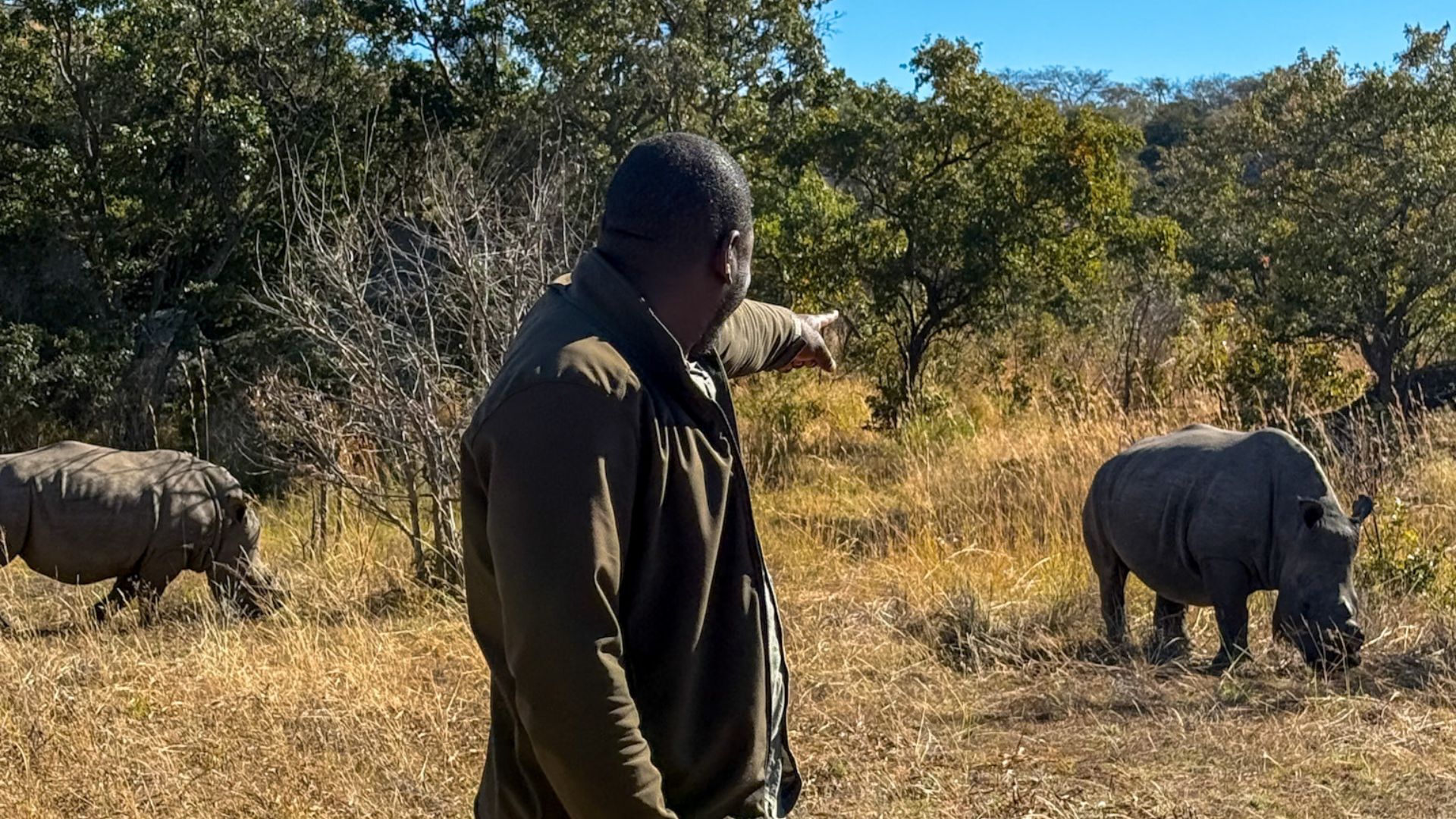
Scroll to exploreThere is a moment when time stops. Your guide raises a fist and the group freezes mid-stride. Twenty metres ahead, half-hidden behind a wall of jesse bush, a two-tonne white rhino tears at the grass with a sound like ripping canvas. You hear its breath — deep, rhythmic, ancient. Its ears rotate toward you, radar dishes scanning for threat. Nobody moves. Nobody wants to.
This is rhino tracking in Matobo — not from a vehicle, not behind a fence, but on foot, in the same landscape where San hunters painted these animals on cave walls thirteen thousand years ago. It will be the most humbling hour of your life.
Black Rhino vs White Rhino
Matobo is one of the few places on Earth where both species share the same territory. Here's how to tell them apart.
Both species live in Matobo's Intensive Protection Zone (IPZ), but they look, eat, and behave very differently. Understanding the differences makes your encounter infinitely richer.
 White Rhino
White Rhino
Ceratotherium simum
- Wide, square lip — designed for grazing on short grass. The name "white" comes from the Afrikaans word wyd meaning "wide."
- Up to 2,300 kg — the larger of the two species and the second-largest land mammal after the elephant.
- Grazer — head held low, sweeping wide lips across the ground like a living lawnmower.
- Social — often found in groups called "crashes" of 4–6 animals. Calmer temperament, more tolerant of observers.
- Reliably seen in Matobo — this is the species you'll encounter on a guided tracking walk. Success rate is very high year-round.
 Black Rhino
Black Rhino
Diceros bicornis
- Hooked, prehensile lip — shaped like a beak for gripping branches and pulling leaves. Think of it as a finger.
- Up to 1,000 kg — roughly half the weight of a white rhino, but more compact and muscular.
- Browser — head held high, feeding on shrubs, herbs, and low branches. You'll notice the head carriage difference immediately.
- Solitary & shy — notoriously elusive with a reputation for being more unpredictable. Prefers thick bush and broken terrain.
- Present in Matobo's IPZ — sightings are uncommon but possible. Classified as Critically Endangered with only ~6,400 remaining worldwide.
Where Do the Names Come From?
Neither species is actually black or white — both are grey. The name "white rhino" is a mistranslation from the Afrikaans word wyd, meaning "wide," describing the animal's broad, square lip. English-speaking settlers heard "wyd" as "white" and the name stuck. "Black rhino" was then assigned simply as the opposite. The real difference is in the mouth: one grazes, one browses. Once you know this, you'll never confuse them again.
Zimbabwe's Rhino Success Story
Against all odds, Zimbabwe has built one of Africa's most effective rhino protection programmes.
From the Brink to a Beacon
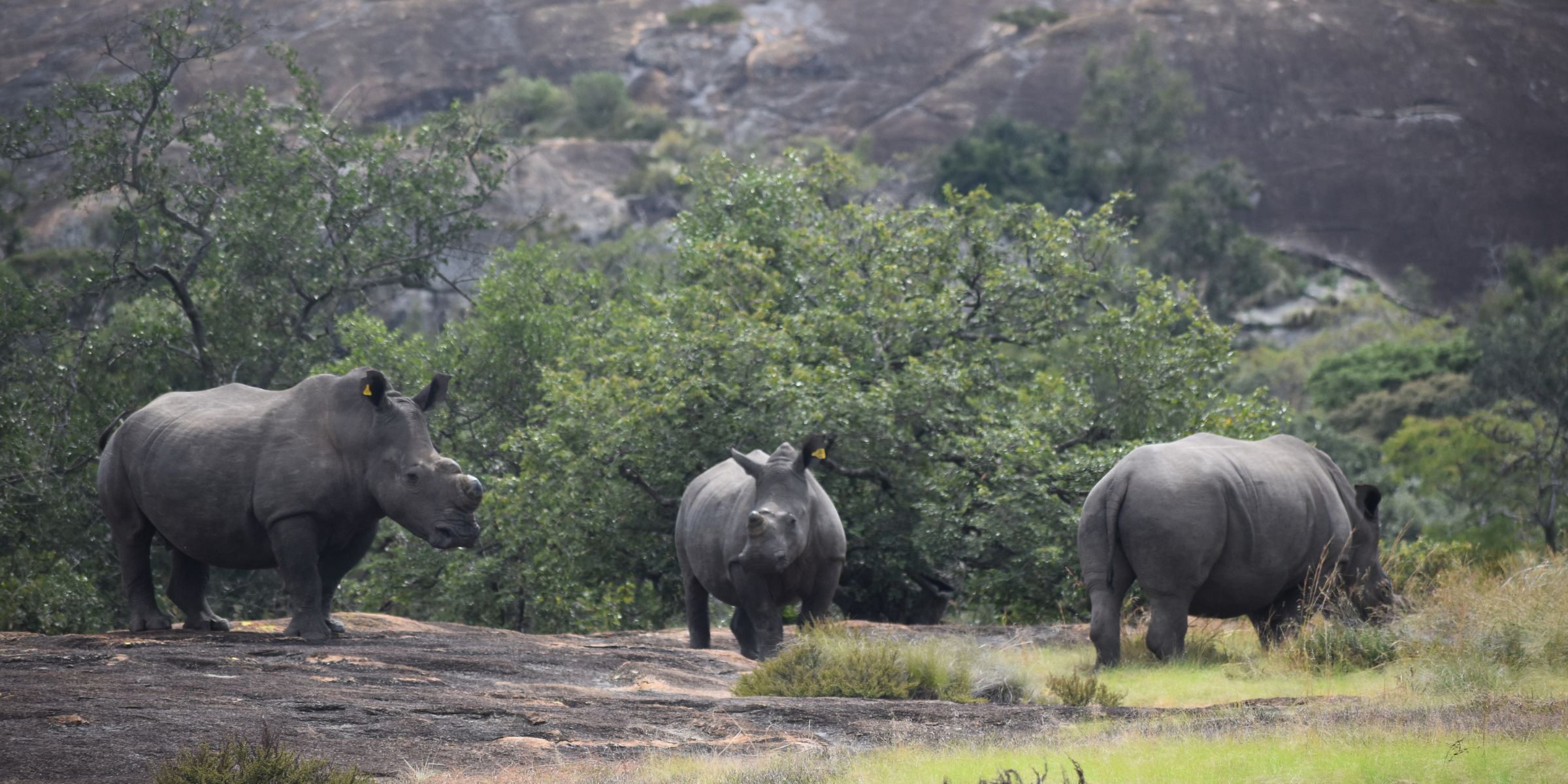
Zimbabwe is home to over 1,000 rhinos — approximately 616 black rhinos and 417 white rhinos — making it one of only four countries in Africa where both species survive in viable populations. The country's rhino population has been growing at roughly 5% annually, a remarkable achievement in a continent still battling poaching.
Matobo's rhinos have a unique history. They were introduced in two waves: the first group arrived from KwaZulu-Natal, South Africa during the 1960s, and a second group was translocated from the Zambezi Valley during the 1990s. Today, the Matobo population is one of Zimbabwe's most closely guarded and genetically diverse.
The success is built on the Intensive Protection Zone (IPZ) — a heavily patrolled area within Matobo National Park where dedicated rangers monitor rhinos around the clock. Anti-poaching units, community engagement, and the economic value of rhino tourism all contribute to what has become one of Africa's most effective protection models.
How Your Visit Helps
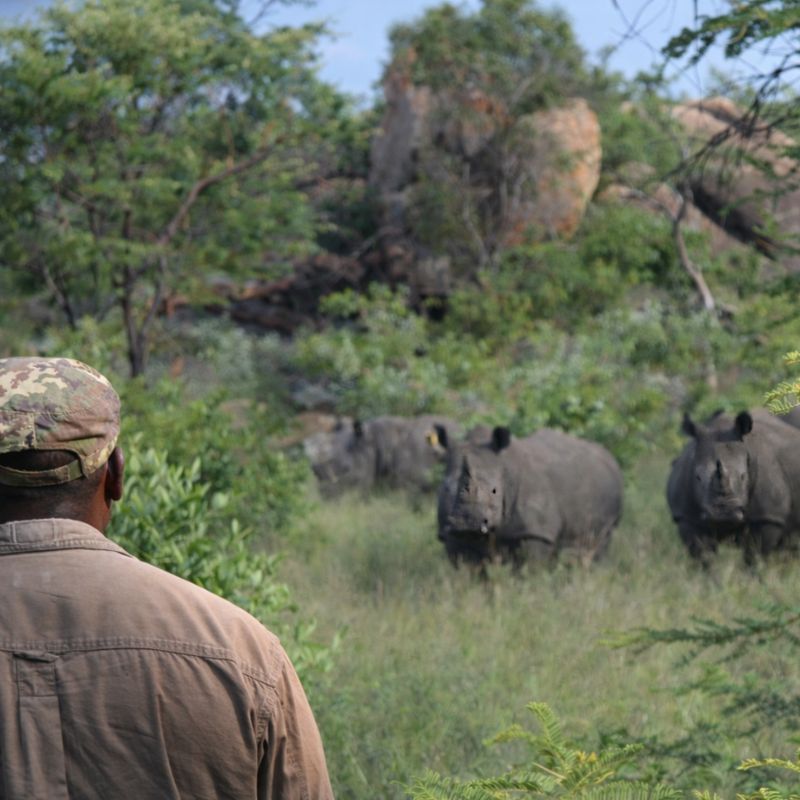
Every rhino tracking walk directly funds conservation. A portion of Matobo National Park fees goes to Zimbabwe Parks and Wildlife Management Authority (ZimParks) and the rangers who protect these animals daily. When you walk with rhinos at Matobo Hills Lodge, you're not just a spectator — you're part of the economic argument that keeps rhinos alive.
The equation is simple: rhinos that generate tourism revenue are rhinos worth protecting. Your visit, your photographs, your word-of-mouth recommendations — they all contribute to a future where the next generation can still hear a rhino breathe at twenty metres.

(black & white combined)
growth rate
to Matobo from KZN
in the IPZ
What Happens on a Rhino Tracking Walk
From dawn briefing to face-to-face encounter — here's every step of the journey.
The Rules of the Walk
Before you set out, your guide briefs the group at the vehicle. You'll learn the hand signals — fist raised means freeze, palm down means crouch, finger to lips means absolute silence. You'll learn to walk in single file, to check the wind direction, and to move slowly and deliberately. This isn't a hike. It's a stalk.
Tracks, Dung & Territorial Markers
Your guide drops to a knee beside a pile of rhino dung — a midden. Rhinos use communal toilets, returning to the same spot to deposit dung and scrape their feet through it, spreading their scent. The freshness of the dung tells your guide how close the animal is and which direction it's heading. You'll learn to read three-toed spoor pressed into soft earth, browse lines on bushes, and mud-wallow marks on tree trunks.
Downwind, Single File, Slow
The wind is everything. Rhinos have poor eyesight but extraordinary hearing and an almost supernatural sense of smell. Your guide keeps the wind in your face — if it shifts, the approach changes. You move in single file, placing your feet where your guide places theirs, pausing whenever the rhino lifts its head. The last hundred metres take longer than the first kilometre.
Twenty Metres from a Living Dinosaur
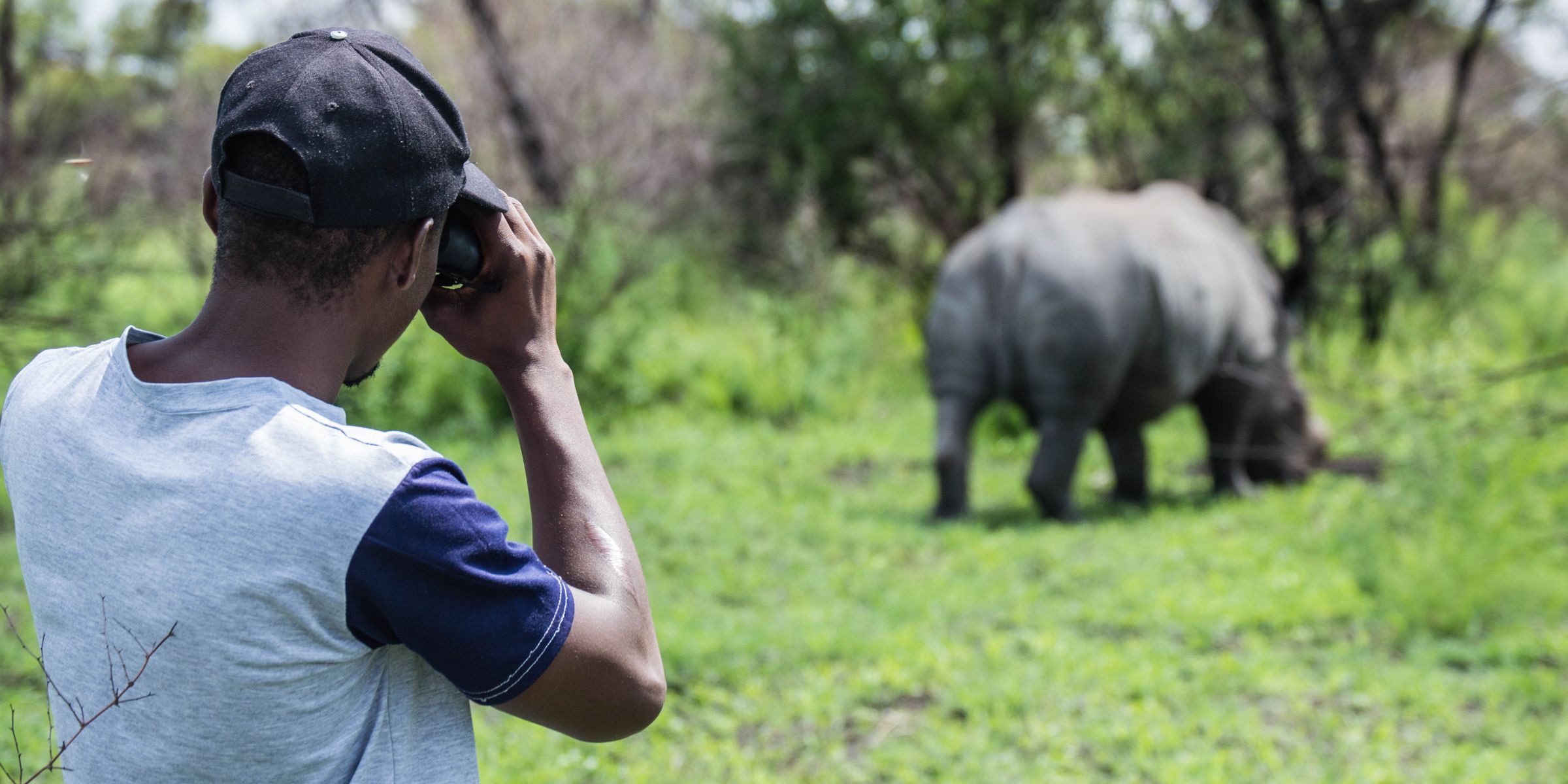
And then you see it. Grey hide like cracked concrete, a horn the colour of burnt wood, ears rotating like satellite dishes. A white rhino grazing — oblivious, or perhaps simply unconcerned. You stand for five, ten, sometimes twenty minutes, watching it feed. Your guide whispers details: the age, the family group, the notch pattern on its ear that identifies it individually. This is not a photograph moment. This is a memory moment.
Processing What You've Seen
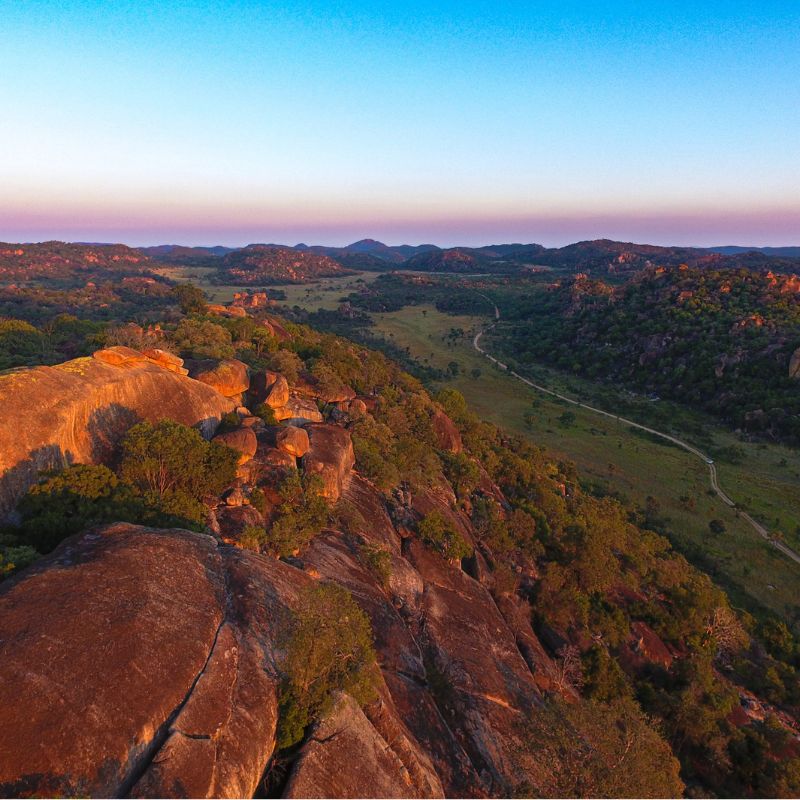
The walk back is quieter. Not because the guide demands silence but because nobody feels like talking. You'll likely spot other wildlife on the return — zebra, wildebeest, giraffe, sable antelope, and possibly the flash of a black eagle overhead. The terrain itself is part of the experience: ancient granite kopjes balanced impossibly against the sky, the oldest exposed rock on Earth.

What Your Guide Teaches You
This isn't a walking zoo tour. Your professional guide is a licensed tracker with years of field experience. During the walk, you'll learn to identify rhino spoor and distinguish it from hippo and buffalo tracks. You'll understand why rhinos create dung middens and how territorial scraping works. You'll discover how ear notching is used to identify individual animals for monitoring.
You'll also learn the broader ecology — how rhinos shape their environment as megaherbivores, why they matter to the entire ecosystem, and what threats they face globally. By the time you return to the lodge, you won't just have seen a rhino. You'll understand one.
Reading the Bush
Before you even see a rhino, the bush tells a story. Overturned soil where a rhino scraped its back feet. A mud wallow still wet from the early hours. Browse lines on shrubs where a black rhino has been feeding, snapping branches at a consistent height. Oxpecker birds calling — the rhino's early warning system — often giving away the animal's location before you spot it yourself.
Your guide reads all of these signs instinctively, adjusting the route in real time. It's a masterclass in bushcraft that no game drive can replicate.

Where Rhino Tracking Happens
Matobo National Park, just 45 minutes south of Bulawayo — Zimbabwe's second city.
Matobo Hills Lodge
Your base. Tracking walks depart from the lodge at dawn — no transfers needed.
Intensive Protection Zone
The heavily patrolled rhino sanctuary within Matobo National Park where tracking takes place.
45 Min from Bulawayo
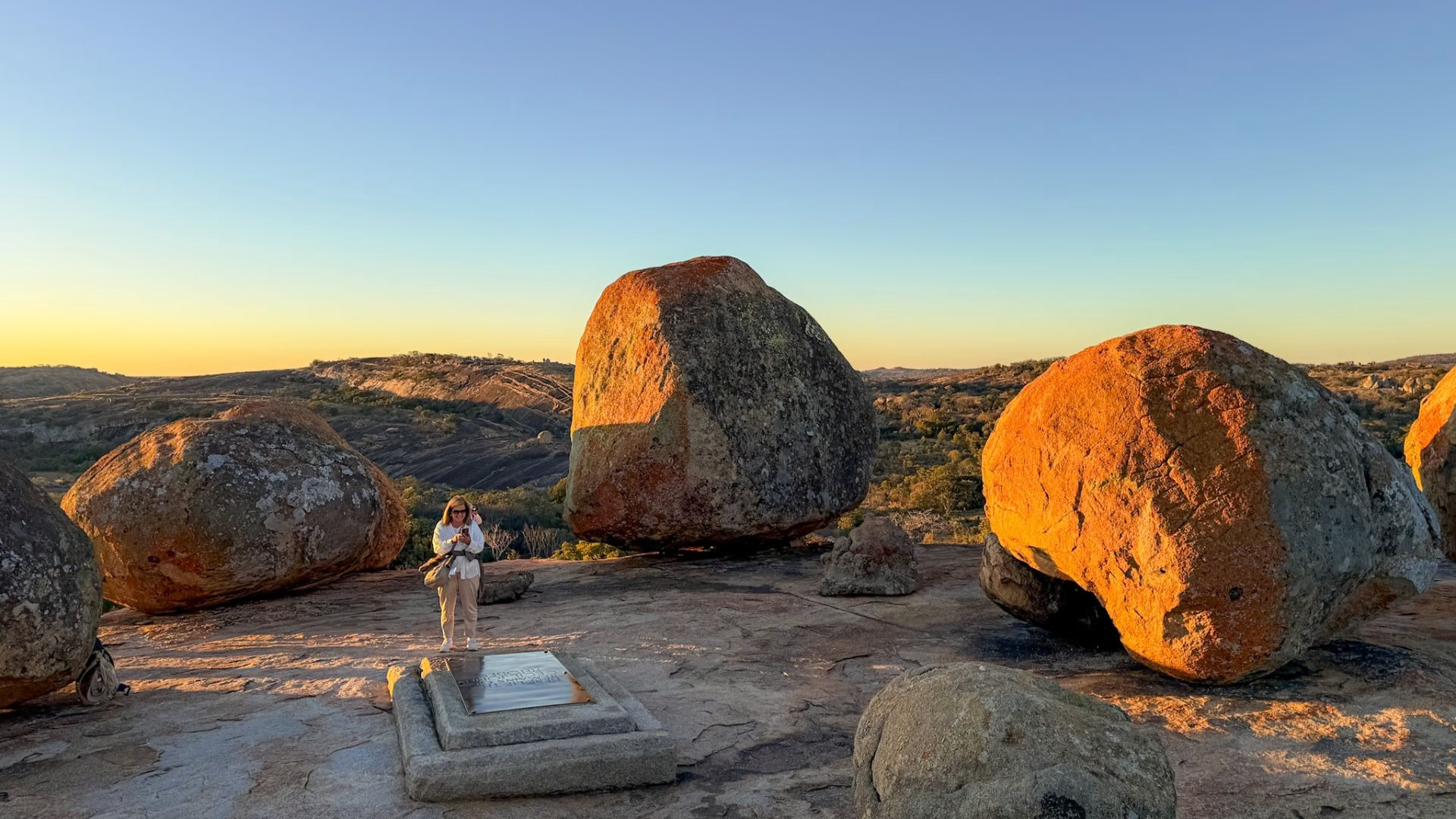
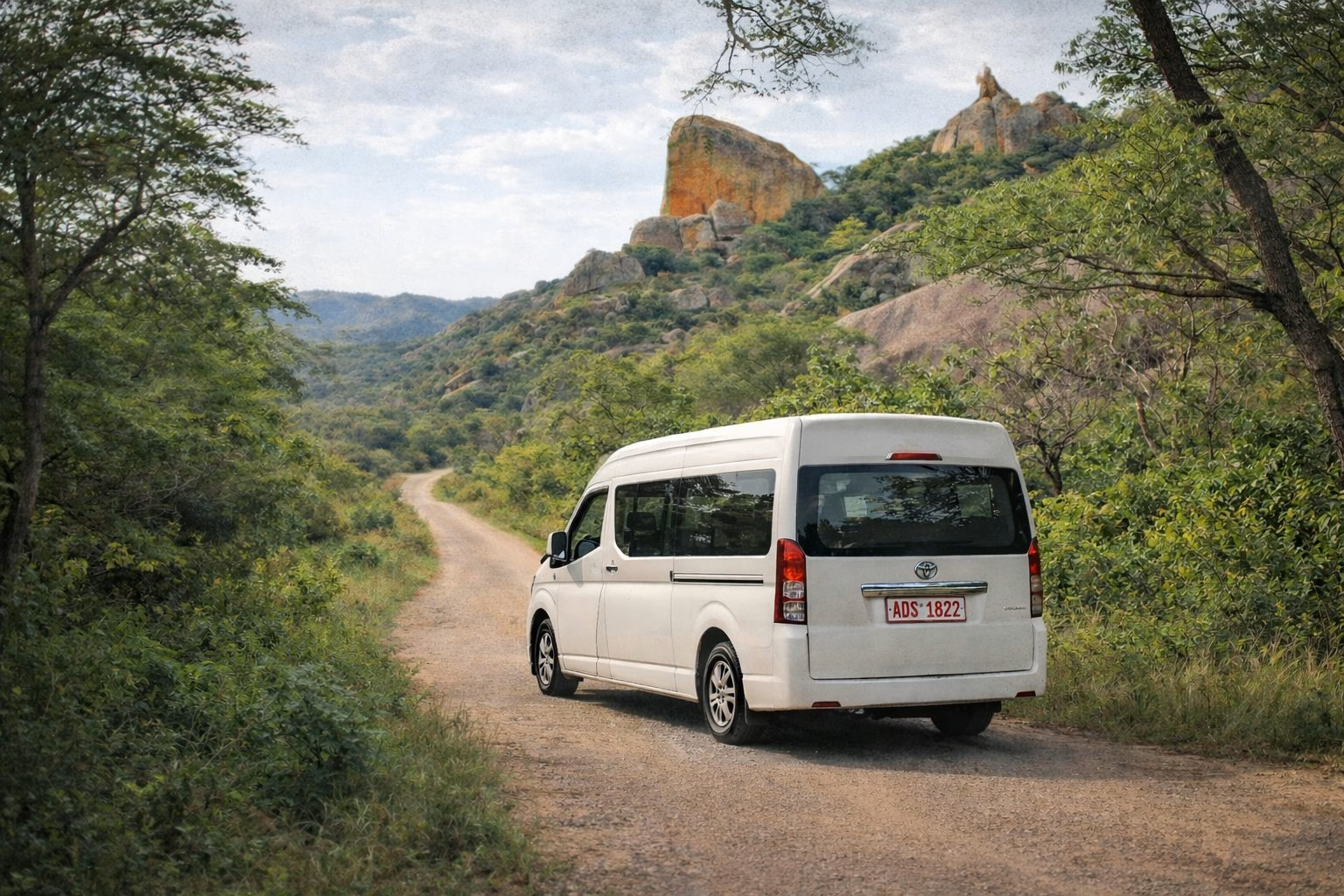
Through the Police Gate, follow Circular Drive, turn off at Rhodes Grave onto the gravel road.
Best Time for Rhino Tracking
Rhino tracking in Matobo works year-round — but each season offers something different.

Dry Season — May to October
Short grass, clear sight lines, and cooler morning temperatures make this the ideal tracking season. Rhinos concentrate around water sources, making them easier to locate. The sparse vegetation means you can often see animals from further away, giving your guide more time to plan the approach.
Green Season — November to April
Taller grass and denser bush make tracking more challenging, but this is calving season — meaning you might encounter a mother with a young calf. The landscape is dramatically lush, the light is softer, and you'll often have the park almost entirely to yourself. Lower rates, fewer guests, unforgettable encounters.
Matobo advantage: Unlike open savanna parks where tall wet-season grass can make tracking impossible, Matobo's unique granite kopje terrain means there are always open areas and high vantage points. Your guide adapts the route to conditions — rhino tracking here works 365 days a year.
Practical Information
Everything you need to know before your rhino tracking experience.
Booking & Pricing
Rhino tracking is included in our Matobo Experience and All-Inclusive packages at no extra charge. Guests on Bed & Breakfast, Dinner Bed & Breakfast, or Full Board can add a guided rhino tracking walk as a half-day tour. Day visitors are also welcome — contact the lodge for availability and current pricing.
Duration & Timing
Tracking walks depart at dawn (typically 06:00) and last 2–3 hours depending on conditions and rhino location. The pace is comfortable with frequent stops — you don't need to be an athlete.
Minimum Age
Children must be 12 years or older for on-foot rhino tracking. This is a safety requirement — rhinos are wild animals and silence is essential during the approach.
What to Wear
Neutral colours — khaki, olive, brown, grey. No white, no bright colours, no black (absorbs heat). Closed walking shoes with ankle support. A hat and sunscreen are essential.
What to Bring
Binoculars if you have them (the lodge can lend a pair). Camera with a zoom lens. Water bottle — the lodge provides water. Sunglasses. A light jacket for cool mornings May–August.
Safety
You're accompanied by licensed professional guides who follow strict ZimParks rhino-tracking protocols. Guides carry no weapons — the armed rangers in the IPZ are there to protect the rhinos, not the guests. You'll feel safe throughout.
Frequently Asked Questions
Yes. You're accompanied by licensed professional guides who have completed rigorous training and follow strict Zimbabwe Parks and Wildlife Management Authority (ZimParks) protocols. The guides understand rhino behaviour intimately and maintain safe distances at all times. In decades of guided rhino tracking in Matobo, there has never been a serious incident involving guests.
White rhinos are the species you'll encounter on a guided tracking walk — they're grazers, more social, and more tolerant of observers at a safe distance. Black rhinos also live in Matobo's Intensive Protection Zone but are solitary, elusive, and rarely seen on foot. If you spot a black rhino during your walk, consider it a truly exceptional sighting.
Typically between 20 and 50 metres, depending on terrain, wind direction, and the animal's behaviour. Your guide reads the rhino's body language constantly and positions the group accordingly. The aim is to observe the animal undisturbed — a calm rhino means a longer, more rewarding encounter for everyone.
Very high — well above 90% across the year. Matobo's IPZ is a defined area with a well-monitored rhino population. Rangers and guides communicate throughout the morning, and your guide will have a strong idea of where the animals are before you even set out. Occasionally thick bush or rain can make an approach difficult, but it is rare to complete a tracking walk without at least one rhino sighting.
The full experience is approximately 2–3 hours, departing at dawn and returning mid-morning. The pace is relaxed with frequent stops for tracking interpretation and wildlife spotting. The walk covers roughly 3–5 kilometres over uneven terrain. Guides tailor each walk to the group's fitness and ability.
Children aged 12 and over are welcome on rhino tracking walks. This is a ZimParks safety requirement — the walk requires silence and the ability to follow guide instructions immediately. For families with younger children, the lodge offers game drives in the IPZ where you can see rhinos from the vehicle.
Light rain rarely cancels a walk — in fact, rain dampens the ground and makes it easier to read fresh spoor. Heavy downpours or thunderstorms may delay departure, but your guide will adjust the timing. Matobo's dry season (May–October) sees almost no rain at all.
Yes. Matobo Hills Lodge welcomes day visitors for rhino tracking and other safari experiences. The full-day package includes rhino tracking on foot, San rock art caves, World's View, and a two-course bush lunch. Contact the lodge directly to check availability and current pricing.
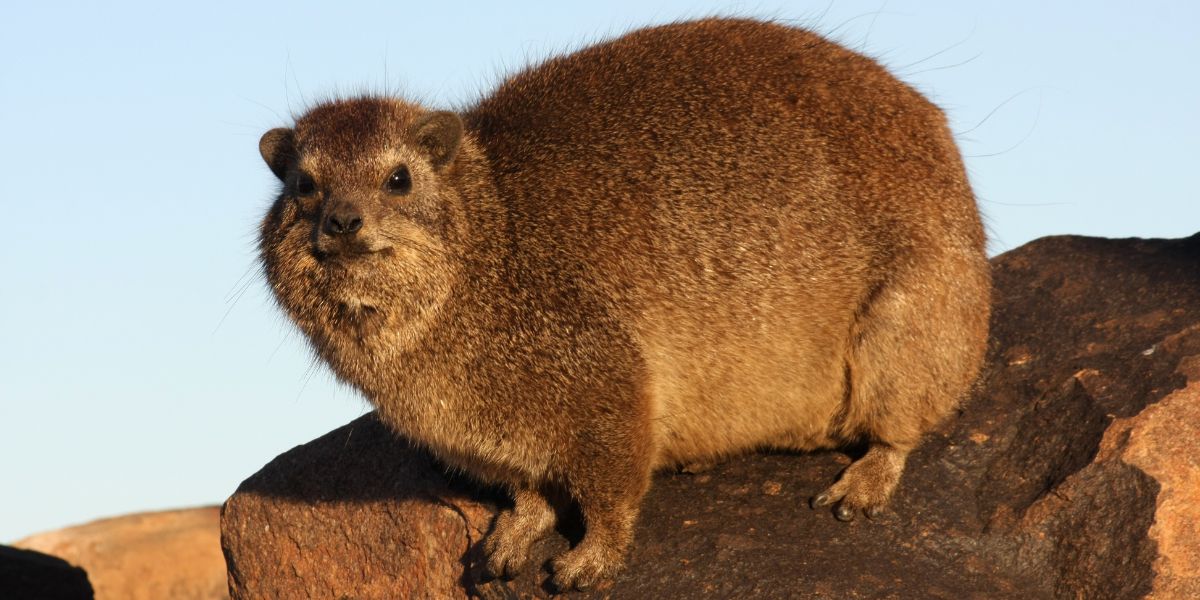
Absolutely. Matobo is home to zebra, giraffe, wildebeest, sable antelope, kudu, warthog, and the world's densest population of leopards (though leopards are rarely seen during the day). Birdlife is exceptional — the park holds the highest concentration of Verreaux's (black) eagles in the world. You may also spot rock hyrax (dassies) on the granite kopjes.
Matobo offers something unique: rhino tracking on foot in a UNESCO World Heritage landscape that's 2 billion years old. Unlike larger parks where you might track from vehicles, Matobo's terrain is perfect for walking — rocky kopjes give natural vantage points, and the relatively compact IPZ means high success rates. The combination of rhino encounters, San rock art, and ancient granite scenery is unmatched anywhere in Africa.
More Matobo Experiences
Rhino tracking is just the beginning. Matobo offers a full day of unforgettable safari moments.


Walk with Giants
Rhino tracking is included in our Matobo Experience and All-Inclusive packages — or can be added to any stay as a guided day tour. Just you, your guide, and a two-tonne rhino in two-billion-year-old hills.